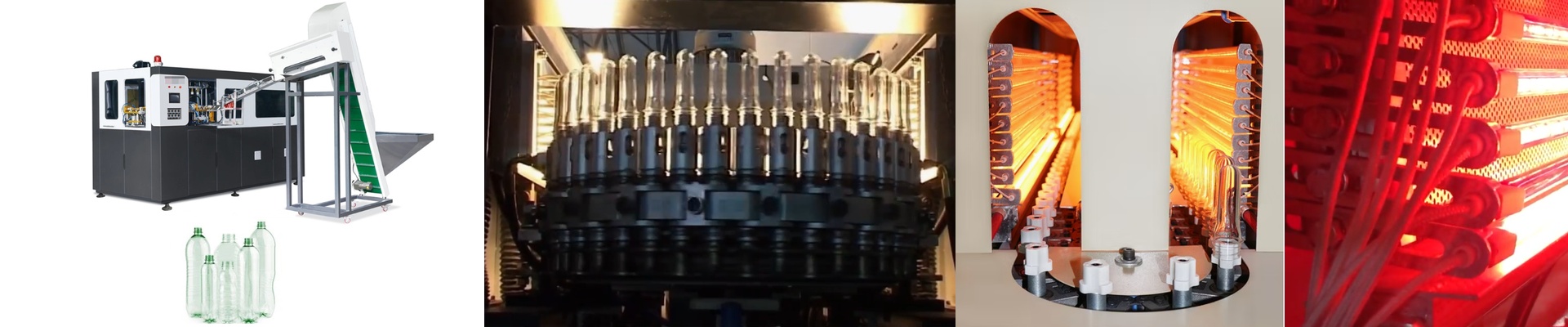
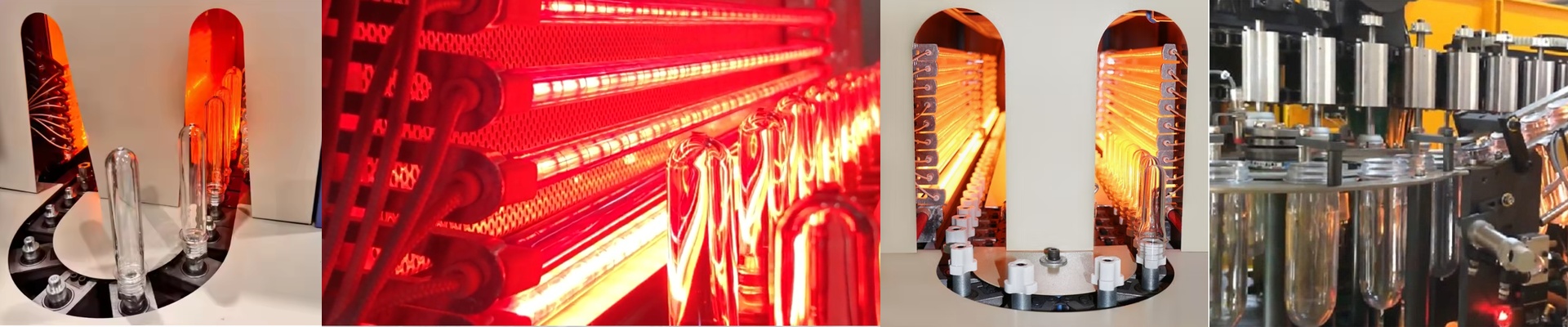

When service hits, your deck oven or rotary oven can’t afford slow recovery or uneven heat. A lagging bake chamber gives you undercooked centers, pale crusts, and a stack of tickets that just keeps growing. We built the carbon fiber infrared emitter to turn that pressure into repeatable output. What matters, technically Carbon fiber IR emitters throw out rapid, focused radiant heat and snap back fast. They hit operating temperature quickly, so the baking chamber settles down after you open the door and load in. The output is tuned to get into toppings and dough without scorching the edges, and the spectrum balance keeps browning and caramelization consistent. In practice, that means tighter temperature control across the stone hearth or pan deck, fewer hot spots, and bake times you can count on. Why it works in real service On the pizza line, the carbon fiber emitter delivers a crisp, blistered crust with even melt, even when the rush piles up. For bread and bakery work, it holds spring and crust set without drying out the crumb. In warming stations, it keeps plated food at safe temperatures without overcooking sauces or wilting greens. You get faster recovery between bakes, fewer reworked dishes, and a pace that stays steady through service. Energy use per bake cycle drops, too, because heat comes on fast and scales with demand instead of idling at full burn. Here’s what to keep in mind Installation is straightforward, but clearance to oven walls and reflectors matters. Make sure voltage and terminal ratings match your oven’s wiring, and confirm the mounting hardware can handle the vibration in rotary ovens. These emitters are optimized for radiant heat—pair them with convection or steam when the product profile calls for it. Keep the element clear of direct contact with oil, grease, and cleaning sprays, and you’ll hold steady output and get a long service life.