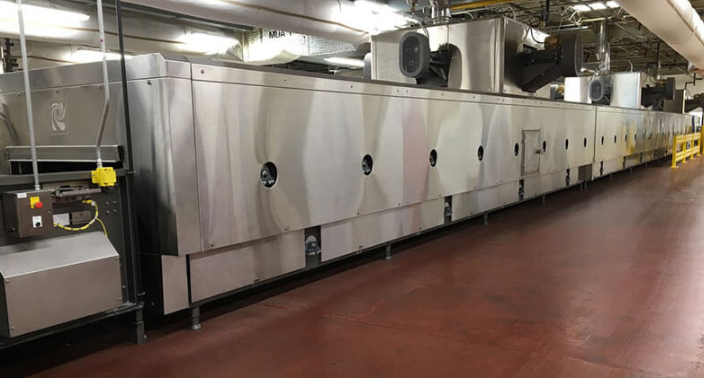
When the rush hits, your deck or rotary oven has to keep up—same crisp, blistered crust at 7 p.m. as at 5. If recovery lags or the heat profile starts drifting, you end up chasing the bake. And the pizza is the one that pays.
What matters under the hood
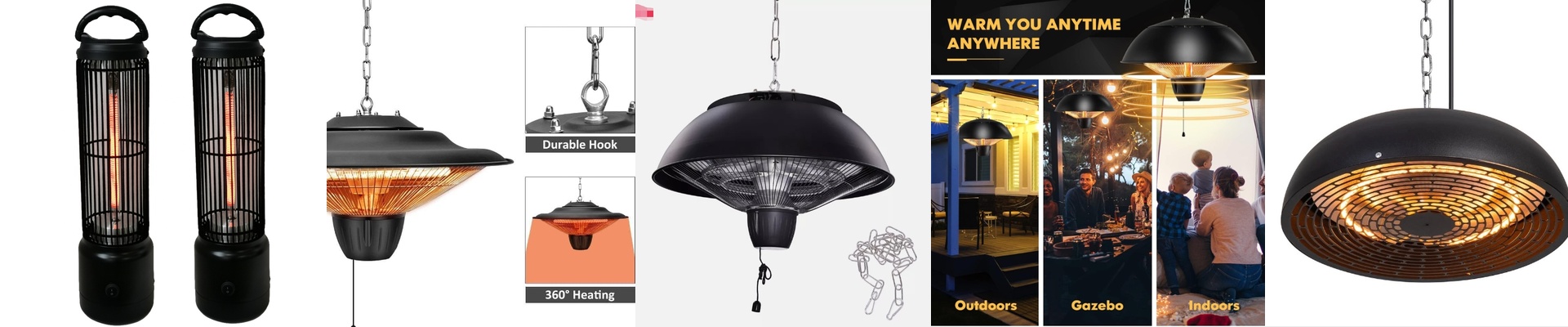
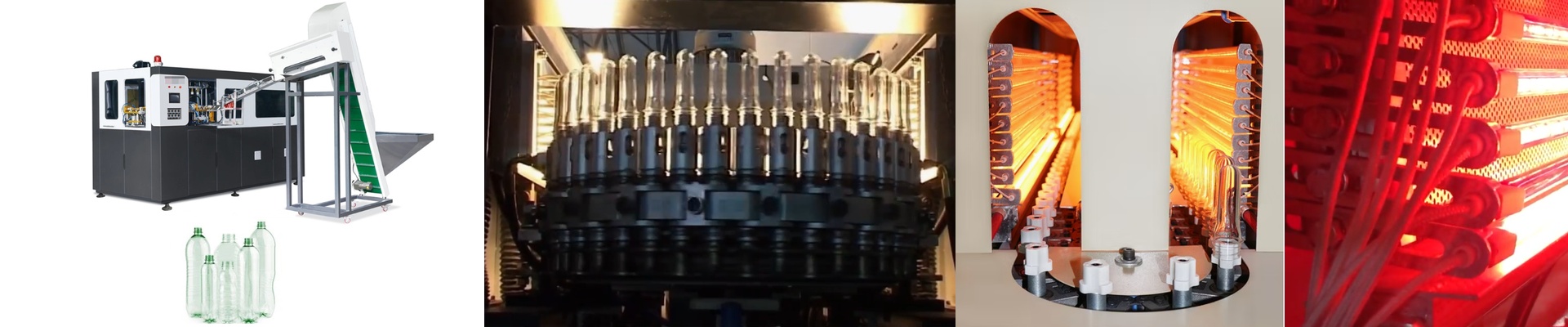
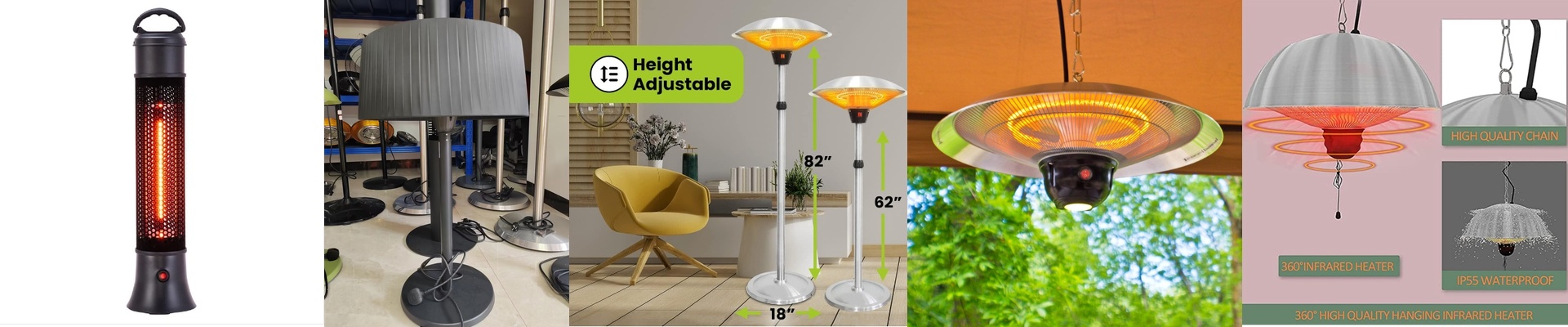
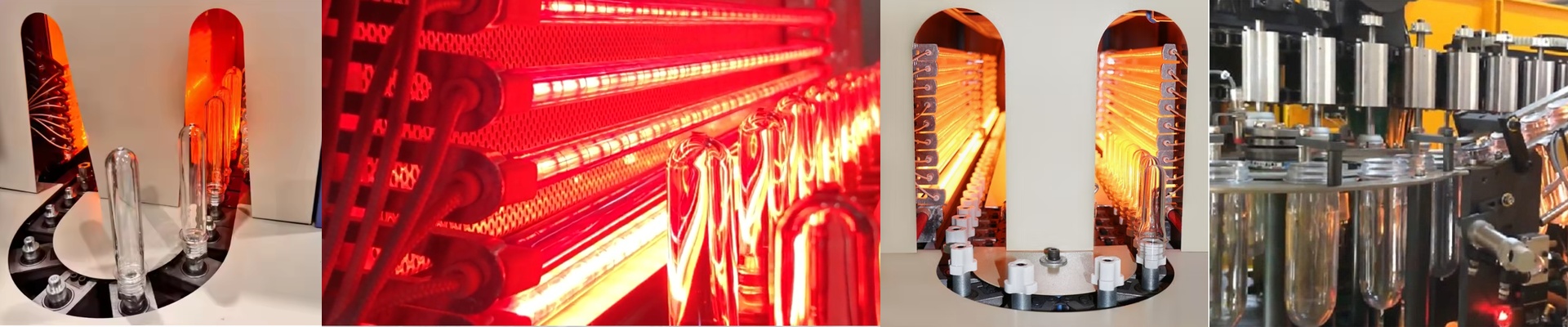
Halogen bulbs throw intense short-wave infrared. They heat the stone or deck surface directly, not the air around it. In a stainless steel pizza oven, that translates to fast heat-up and snappy recovery after the doors open and close. The stainless housing holds up to steam, grease, and the daily scrub. The halogen element sits close to the baking chamber, so the energy stays tight and focused. Output lands where it needs to—on the crust—so toppings cook from stored heat, not from harsh top heat that scorches cheese.
Why this works in a real service
In a busy pizzeria, speed only matters if the crust stays right. Halogen heat hits the stone and sets the base almost instantly, giving you lift and char without drying out the crumb. You get consistent bakes through service, even caramelization along the rim, and better control over doneness. Because the element comes up to temp quickly, you spend less time preheating and more time turning orders. Energy use drops, too—you’re heating mass, not the entire oven cavity—and that shorter bake window keeps the kitchen moving.
The practical details
Halogen elements are bright and efficient, but they need proper mounting and airflow to manage heat buildup. Check voltage and connector compatibility against your oven’s terminal block, and keep the bulb and reflector clean so output stays stable. Plan on shorter element life compared to some ceramic systems, and keep a simple spare-part rotation. When you pair halogen with a well-insulated stainless steel oven, the trade-off is worth it: fast heat, steady performance, and a crust you can count on.