Introduction
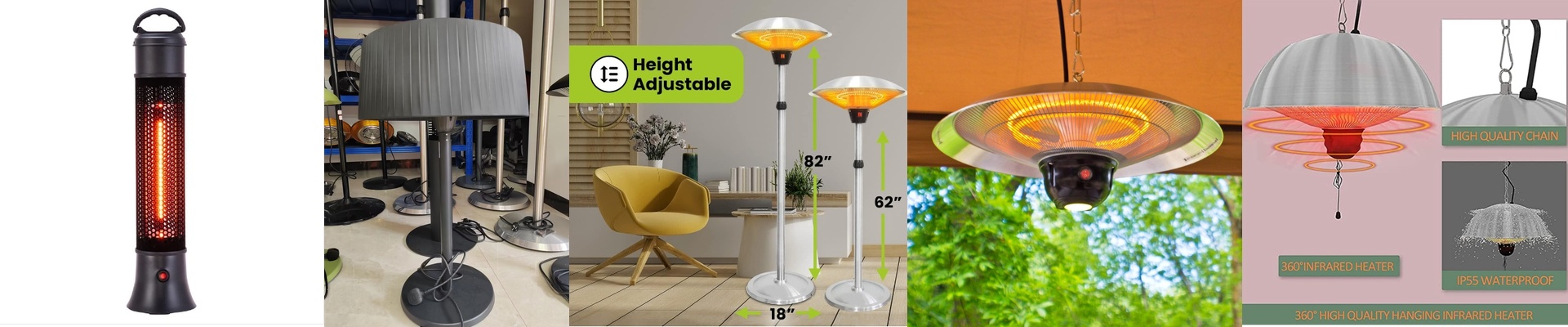
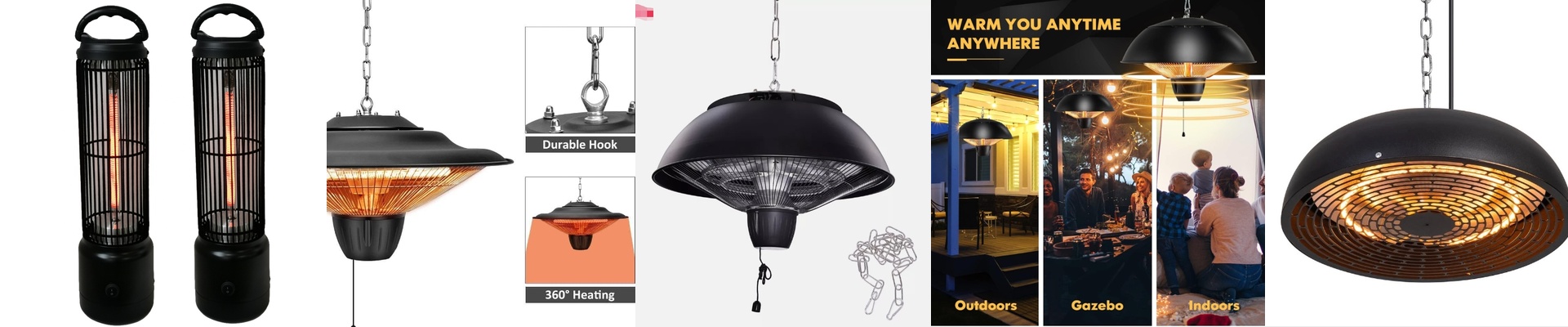
We built these industrial infrared heaters to face down winter tents at their toughest. They throw instant, focused warmth—but they only really shine when two things are right: the electrical setup is spot on, and the heater gets the care it deserves. Here’s the thing: when dust settles on the surface, it gets in the way of the infrared heat. The unit has to push harder, and that means it pulls more power.
Power, Voltage, and Output: The Real-World Details
A winter-tent infrared heater has to pack a lot of heat into a small footprint without tripping the power supply. So we design the units to match the real electrical demands of industrial sites—often running at high voltage to deliver the wattage you need, in a compact package. The payoff is heat density. You get a lot of warmth per square inch, which matters when you’re trying to heat a big tented area fast. Voltage and wattage are matched carefully to the heating element length, so the resistance stays steady and the heat output stays consistent. If you wire it with the wrong voltage, you’ll either end up with weak heat… or you’ll cook the element in no time.
Materials and Design: Built to Take the Heat
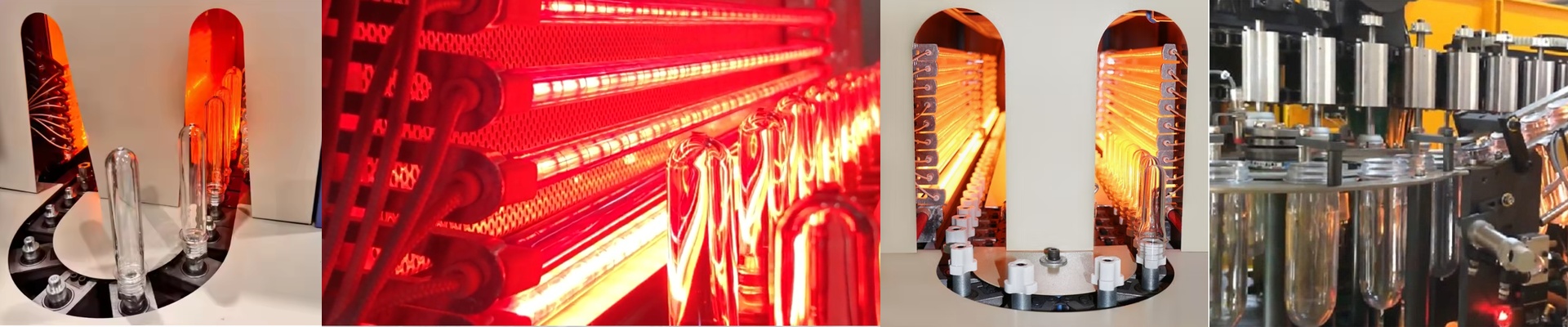
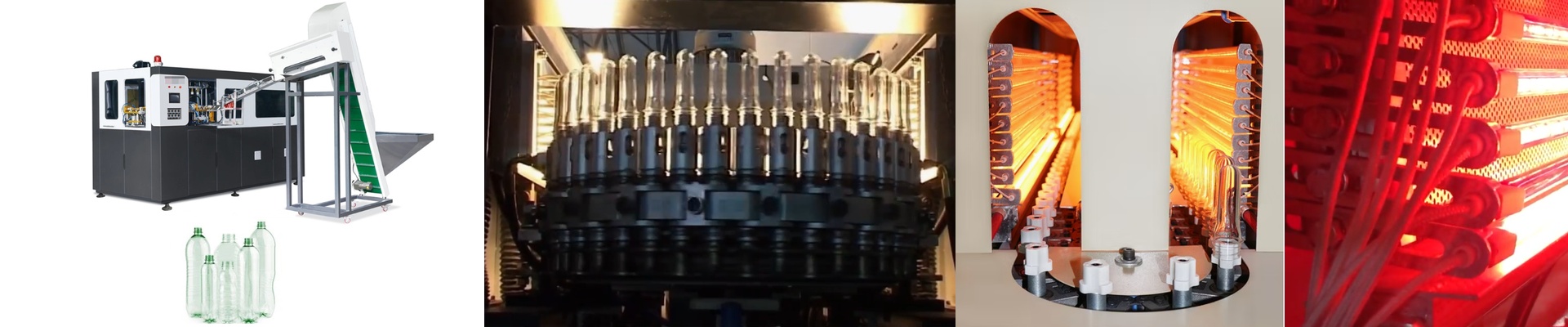
We use quartz tubes because they can handle wild temperature swings without cracking. Inside, a halogen element keeps the infrared output steady, and the coating helps the unit stand up to thermal shock and chemical exposure. For the connections, we use R7s or SK15 connectors. They’re made for high-heat environments—they lock in tight, keep resistance low at the joint, and can survive the vibration and movement that come with tent setups. That means the connection stays solid, even after repeated assembly and teardown.
Winter Tent Use: Heat That Shows Up, Day After Day
In winter tent work, the heater gets a beating—dust, moisture, and constant moving around. Keep the infrared tube clean, and you keep energy use where it should be. Dust on the tube acts like a blanket. It blocks output, and the heater responds by pulling more energy. A quick cleaning and inspection routine stops that buildup before it starts. Just remember: with high heat density, your ventilation and cooling plan needs to be properly set up. Run the heater at its rated voltage, keep the tube clean, and you’ll get dependable performance shift after shift.