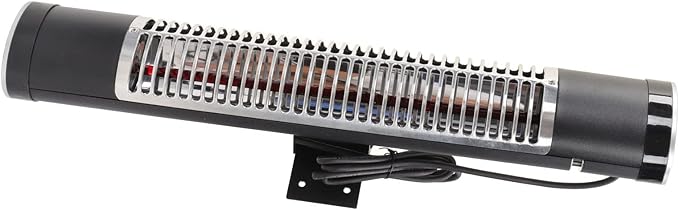
Engineering the Heat for High-Traffic Zones
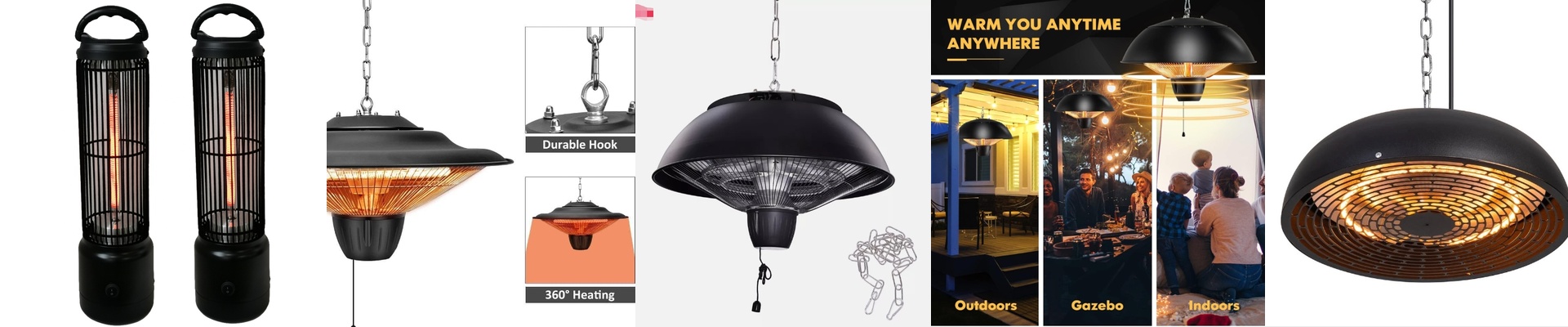
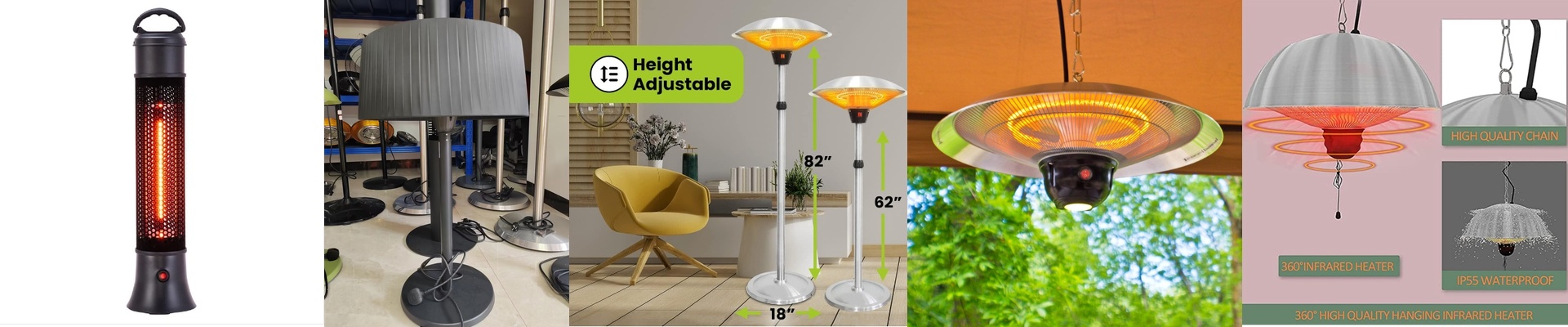
Picture this: you’re on a freezing train platform or trying to enjoy a coffee on an open terrace. You need warmth, and you need it now. That’s exactly what we built these infrared halogen heaters for. They don’t waste time warming up the air—which just disappears into the great outdoors anyway. Instead, they send out a direct wave of radiant heat that warms people and objects instantly. It’s like standing in a sunbeam, even when the sun isn’t there. These heaters are serious workhorses. They’re designed for the big, open spaces of commercial life. With 2500W of power running at 400V, they pack enough punch to cover large areas without breaking a sweat. And at just 300mm long, they fit into tight spots that other heaters can’t handle. For engineers trying to fit a ton of heat into a small footprint, that power-to-size ratio is everything.
The Halogen Core and R7s Integration
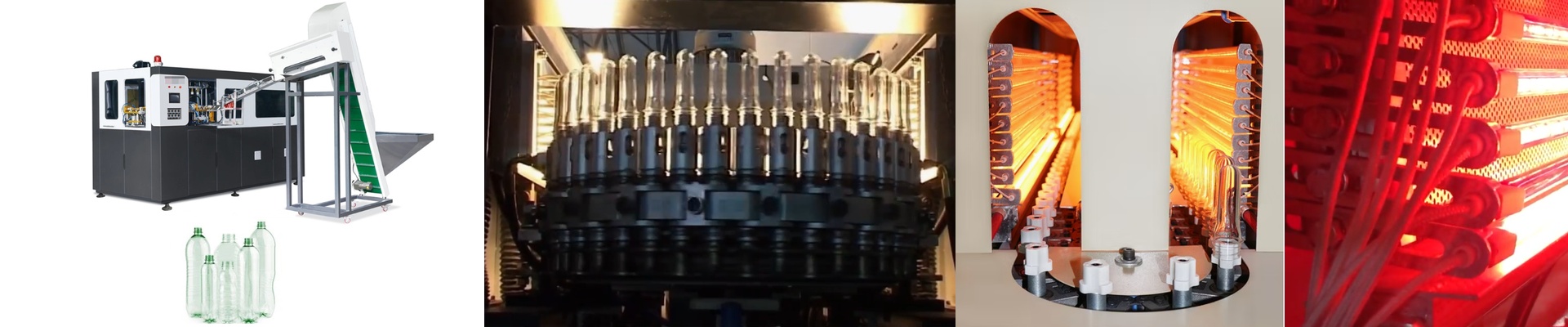
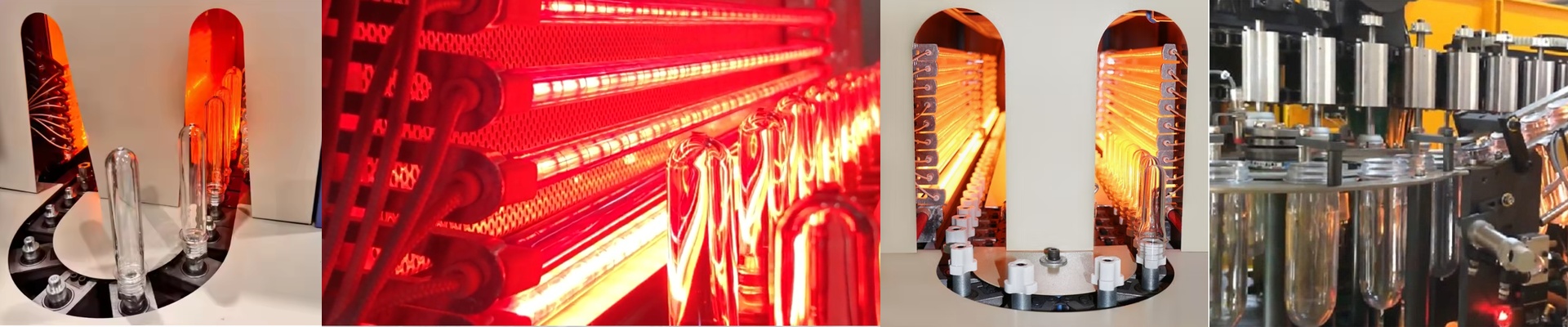
Inside, you’ve got a halogen-filled quartz tube. It keeps the filament burning hot and clean, which means a steady, strong blast of infrared heat. And because it’s quartz, it handles the shock of turning on and off over and over again—something you have to do all day in a commercial setting. Standard glass just wouldn’t cut it. Installation is simple thanks to the R7s connector. It’s a double-ended fitting that locks in tight and handles the current without getting hot itself. If you’re upgrading an existing system, it’s a straight swap—no messing around, no long downtime. The socket is built tough too, so it can handle the constant vibration and rough conditions of places like train stations.
Application and Real-World Constraints
Out in the real world, these heaters are all about precision. You can aim one right at a waiting crowd on a platform, giving them warmth without heating the ceiling. And because they turn on instantly, there’s no waiting around. For businesses that can’t afford downtime, that immediate response is non-negotiable. But here’s the thing—all that power comes with a few rules. The 2500W output gets seriously hot in one spot, so you need to make sure whatever you’re mounting it to can take the heat. Also, this isn’t your average plug-and-play gadget. It needs its own wiring to handle the 400V load, and you’ve got to plan your circuits to avoid overloads. Give it room to breathe, too. This is industrial-grade equipment, and it needs to be treated that way from the start.