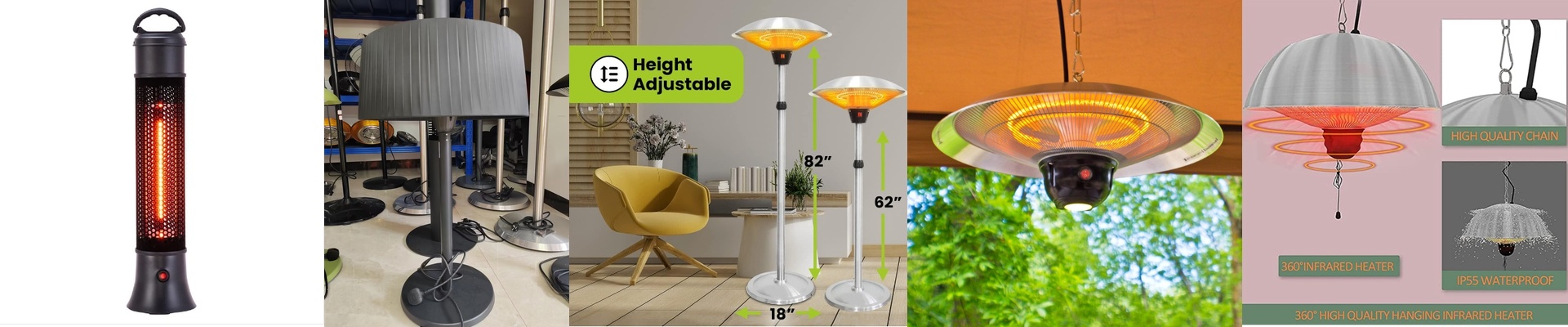

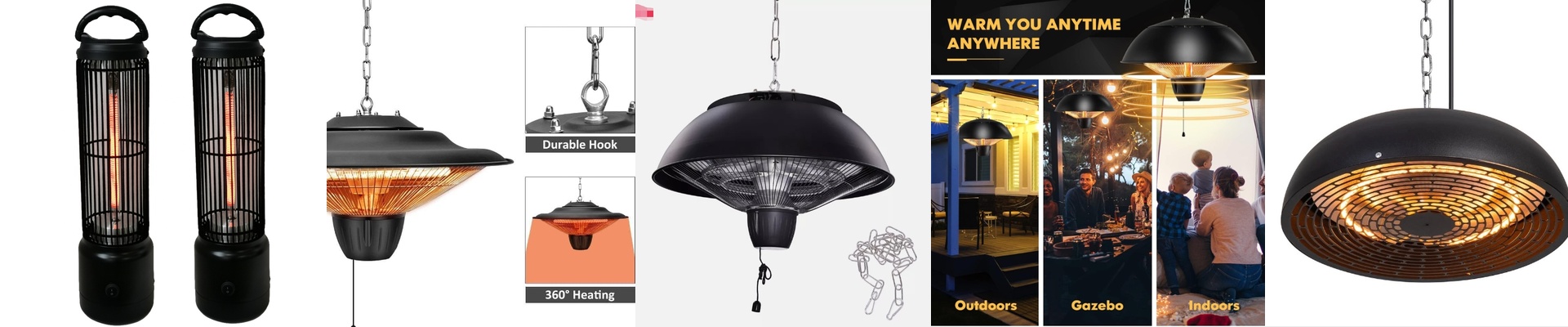

Glass ceilings give an attic sunroom that open, airy feel—but comfort becomes a moving target. Heat rises and slips away, and the room can flip from sun-baked to chilly in minutes. A standard heater fights an uphill battle, pushing out warm air that vanishes the second the wind shifts.
What matters, under the hood
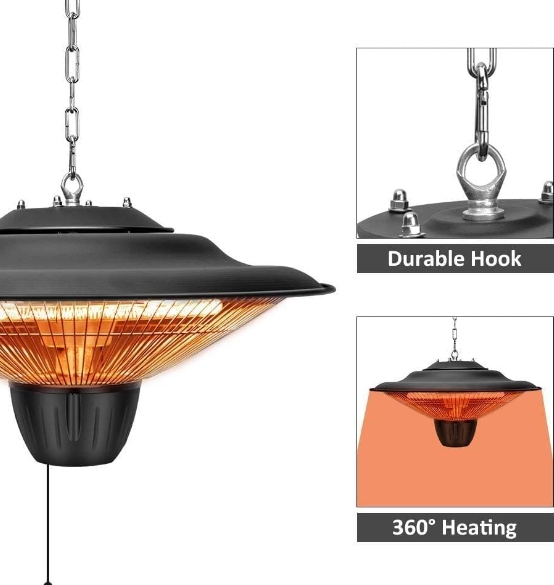
We built this CE-approved electric heater around infrared radiant heat, using a carbon fiber element inside a sealed quartz tube. Instead of trying to heat the air, it warms people, furniture, and the floor directly—the way the sun does. You get a steady, even feel across the space, not a short blast that disappears. It runs on 110–240V off a standard plug, and the built-in thermostat holds the set temperature without constant cycling. For safety, you get tip-over protection and overheat protection, and the outer surface stays touch-cool during normal operation.
Why this approach fits an attic sunroom
Big glass areas steal heat as fast as it arrives. Radiant warmth sidesteps that problem because it travels outward and gets absorbed by solid surfaces, so the room feels warm even when the air is moving. You feel the comfort faster—no long wait for the space to heat up—and the temperature stays more stable. That translates to fewer drafts, less swing, and lower energy use compared with forcing air that just leaks out through the glass.
What to keep in mind
Radiant heat works best with a clear line of sight, so position the heater so it can reach the main seating area without furniture blocking the beam. Keep it away from curtains and other combustibles, and use a dedicated outlet so you don’t overload the circuit. In very humid conditions, condensation can form on glass surfaces. Good ventilation helps keep the room comfortable and protects the heater’s longevity.