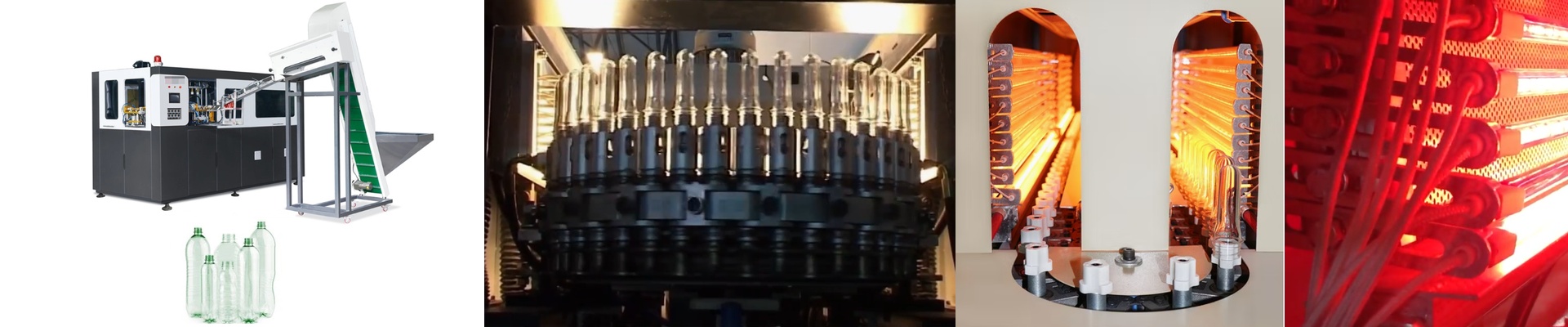
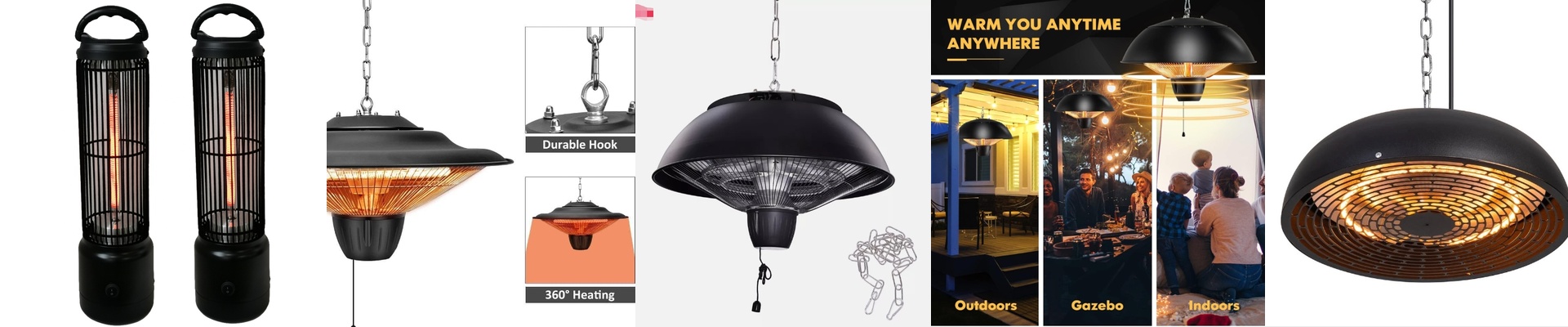
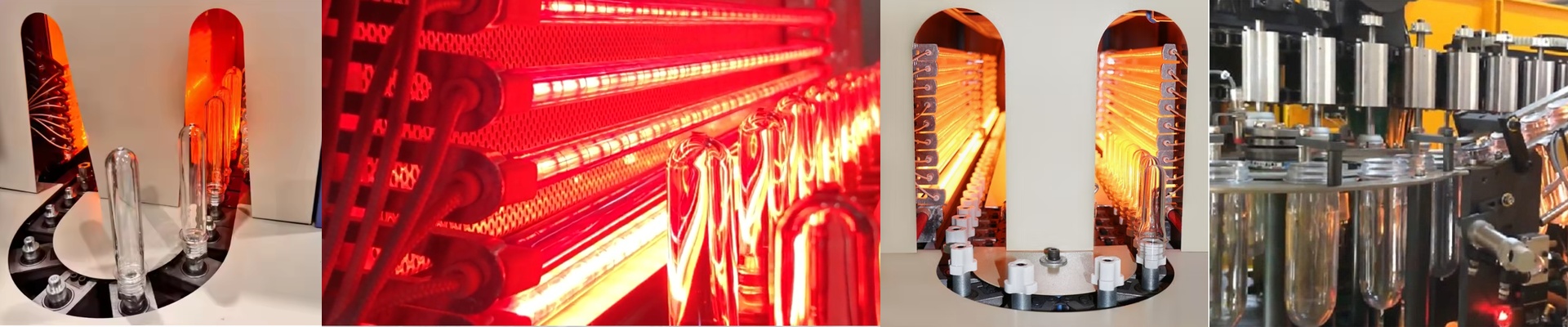
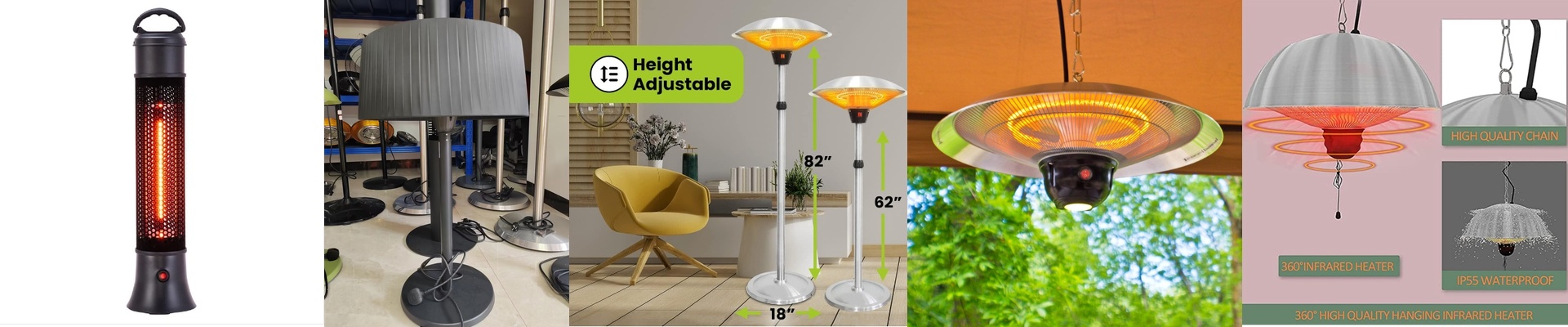
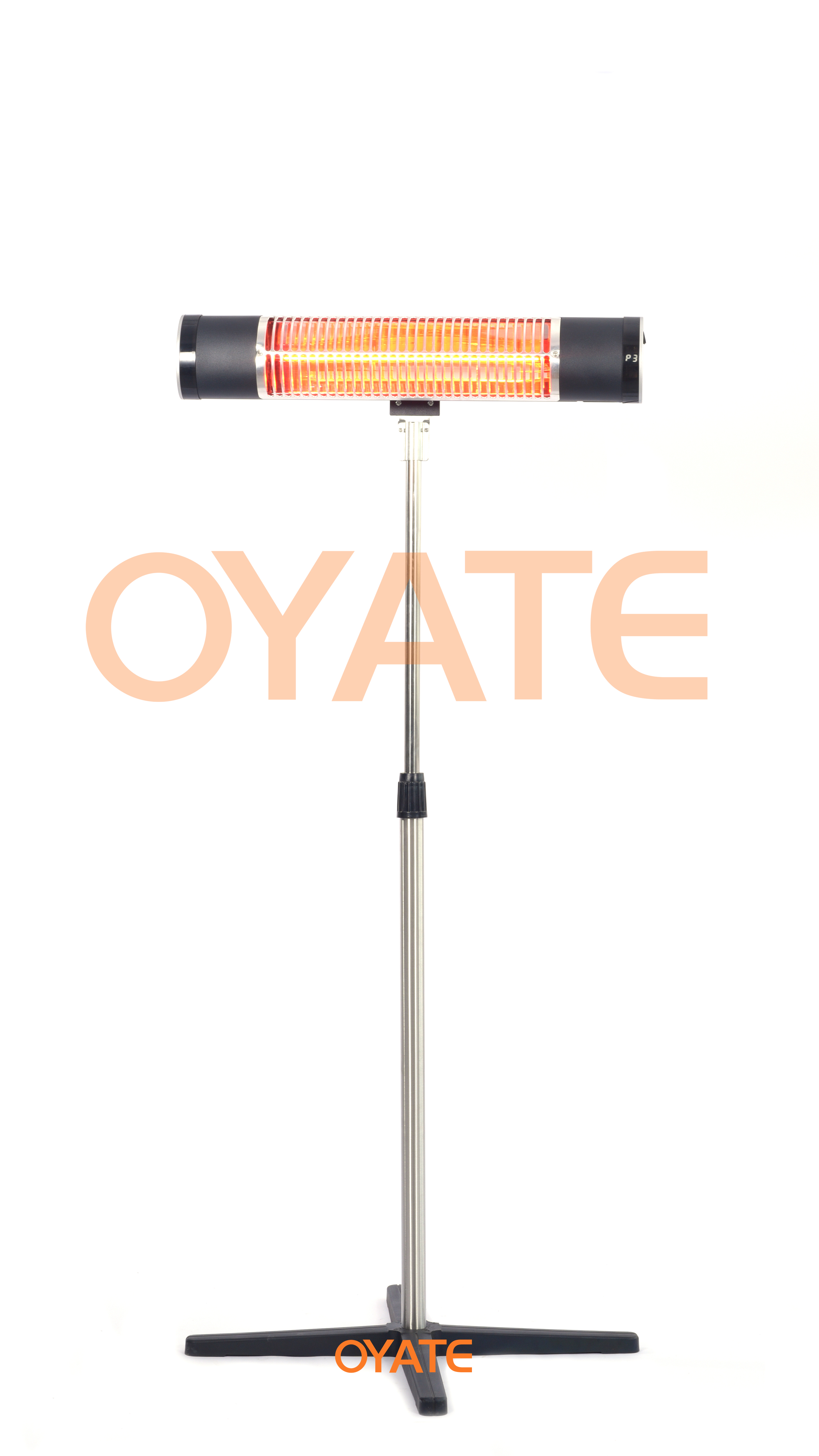
On a plant floor, a voltage dip does more than flicker the lights—it hammers every electric heater on the line. With a cubicle heater, that stress shows up fast: the element fatigues early, output starts to stutter, and service life gets cut short. We built our circuit compensation to keep infrared warmth steady, even when the grid is doing its worst.
What matters under the hood
Our cubicle heater runs on a short-wave infrared element, so you get instant radiant heat—warming people and surfaces directly instead of moving air around. The core is a quartz tube paired with a voltage-tolerant control board. When input voltage swings up or down, the board actively compensates to keep element power inside a tight window, so heat output stays consistent. That means stable temperature control and fewer thermal shocks that age the tube. In practice, you get repeatable comfort with less output drop over time—measured in thousands of operating hours.
Why this works in workshops and production cells
Voltage stability matters here because heating isn’t optional. When operators are cold, work slows, quality checks get rushed, and breaks drag on. Give them a cubicle heater that shrugs off voltage swings, and the line keeps moving: quicker warm-up, steadier spot heating, and fewer interruptions for resets. The radiant warmth also feels right—no drafts, just heat where you stand. For maintenance crews, fewer replacements translate into lower spare-part spend and less downtime.
The details you need to get right
This design performs best when the supply wiring matches the heater’s rated current and the circuit is protected by the correct breaker. It’s intended for indoor, controlled environments; if you need outdoor or damp-location coverage, step up to an IP-rated outdoor electric heater. You’ll pay a bit more up front than a basic infrared heater—our compensation circuitry is the reason—but it earns that back through longer life and fewer service calls when voltage is unpredictable.