How to Stop Blowing Money on Municipal Heating
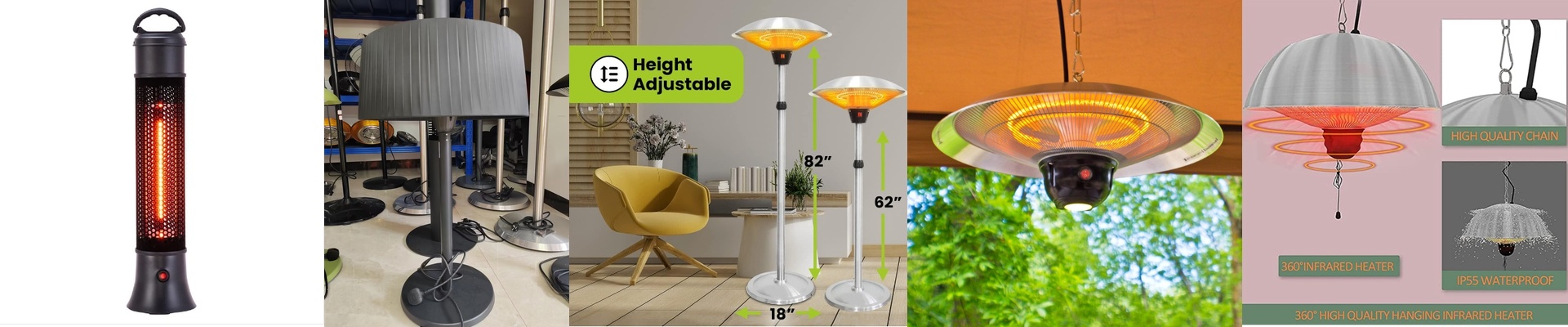
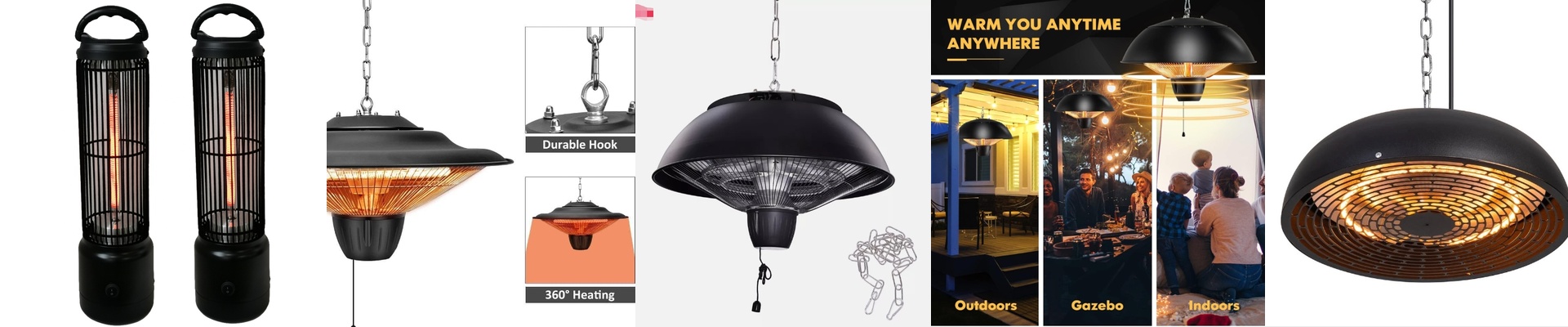
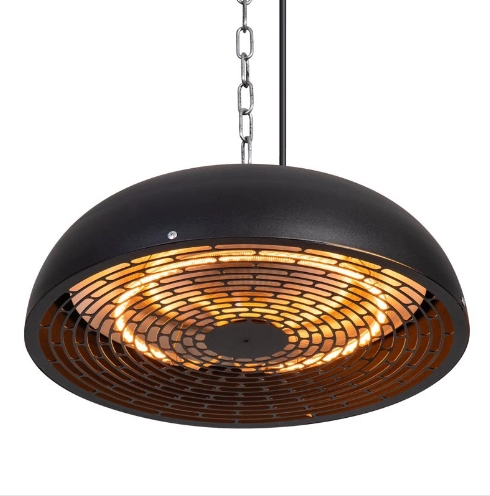
Ever walk into a massive municipal building or a sprawling warehouse and just feel the money burning off the ceiling? That’s your forced-air heating system at work—pumping warm air into empty space, wasting energy and cash. We built our industrial infrared heaters to fix that. Instead of heating the air, they send warmth straight to the people, the equipment, and the concrete under your feet. It’s heat where you actually need it, not lost in the rafters.
The Power Behind the Warmth
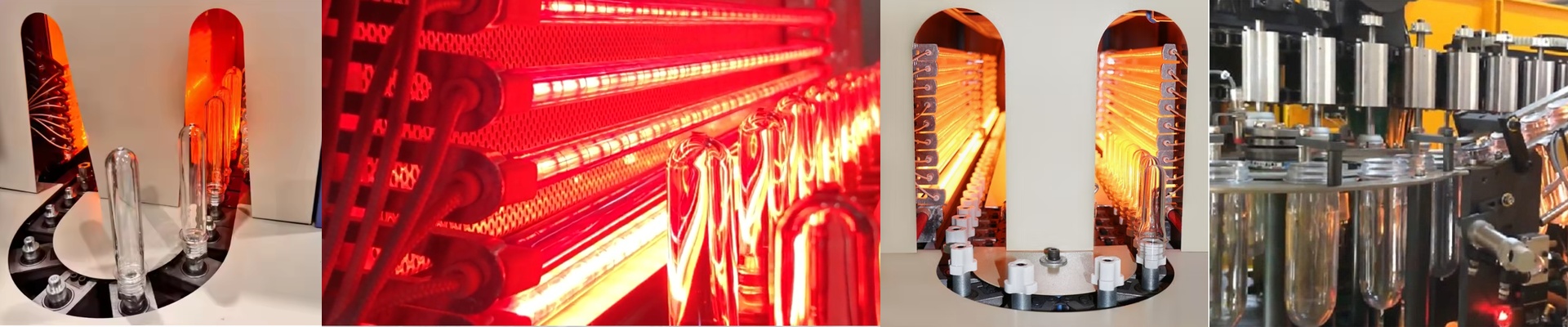
These aren’t your average home heaters. Inside, you’ve got shortwave infrared tubes built for the real world—industrial duty, heavy loads, the whole nine yards. We often spec them at 400V so they can handle serious electrical demand without tripping breakers. A compact 2500W unit delivers a ton of heat in a small footprint. That means you can warm a loading dock or a maintenance bay on demand, without firing up the entire building’s boiler. It’s simple physics: high power density means you get warmth back fast—like, right now.
Built to Take a Beating
The heart of these heaters is a quartz halogen tube. Why? Because it’s tough. It handles sudden temperature swings without cracking, which is a common failure point in cheaper ceramic heaters. And the wiring? It’s straightforward. The R7s connector is the standard for a reason—two pins, easy to connect, and it stays put once you clamp it in. You wire it up, you mount it, and it just works. No fuss. No drama. This thing is made to survive a factory floor.
Real Savings, Not Just Numbers on Paper
For municipal facilities, switching to infrared is about the bottom line. You stop heating empty air and start focusing energy where the work happens. That means less gas burned and fewer hours on the big central boiler. The utility bill drops. Period. Yes, high-intensity heat needs proper clearance and smart placement—make sure the warmth lands where you want it, not on structural beams. But that’s the whole point. When you aim the heat precisely, you get sustained savings that show up in the budget every single month.