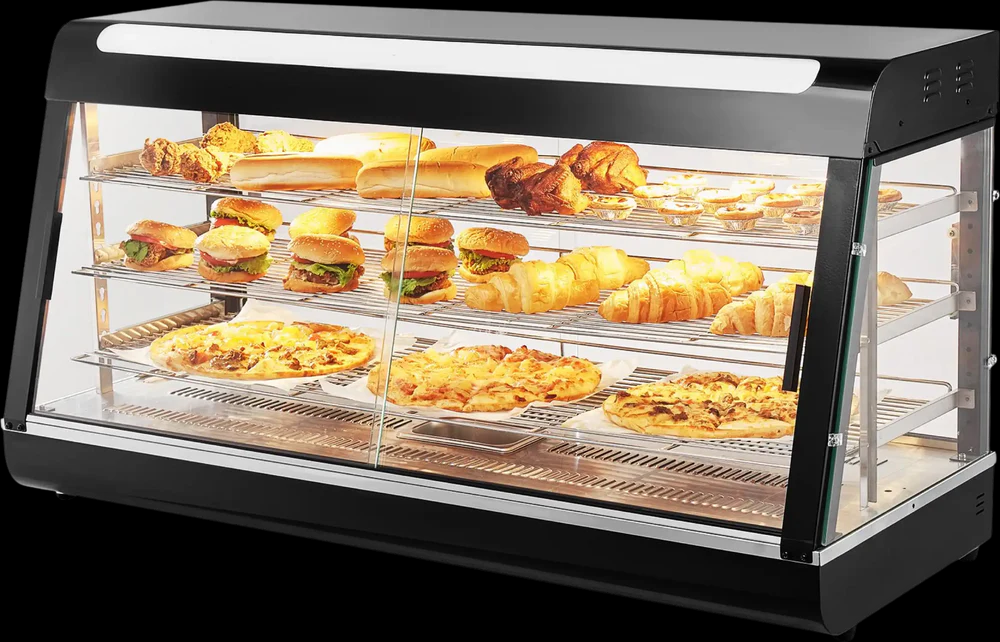
When service hits the wall, the front-of-house warming station is usually the first place things fall apart. Soup drops temperature. Rotisserie chicken dries out. Pizza slices go limp before they ever leave the line. A warming lamp can’t just make food hot—it has to hold texture, keep things looking good, and do it without wasting energy.
What matters under the hood
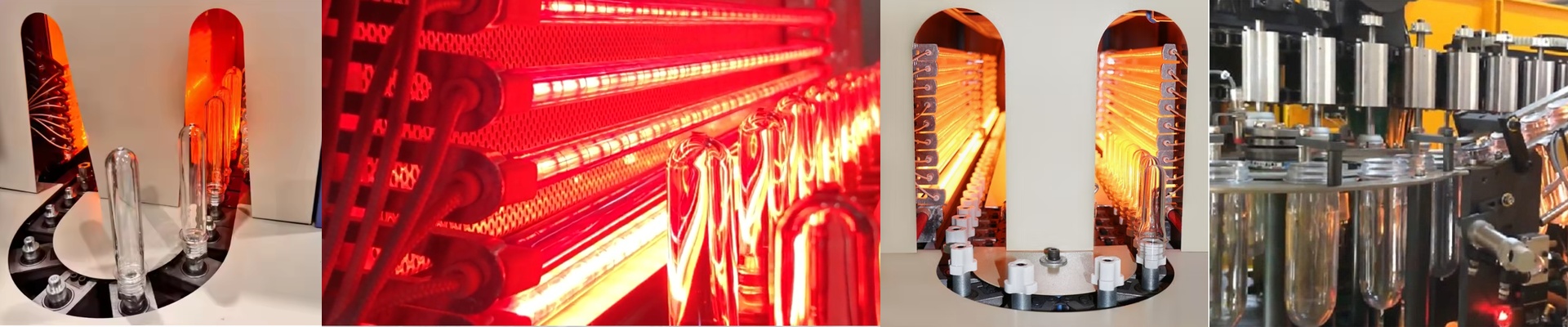
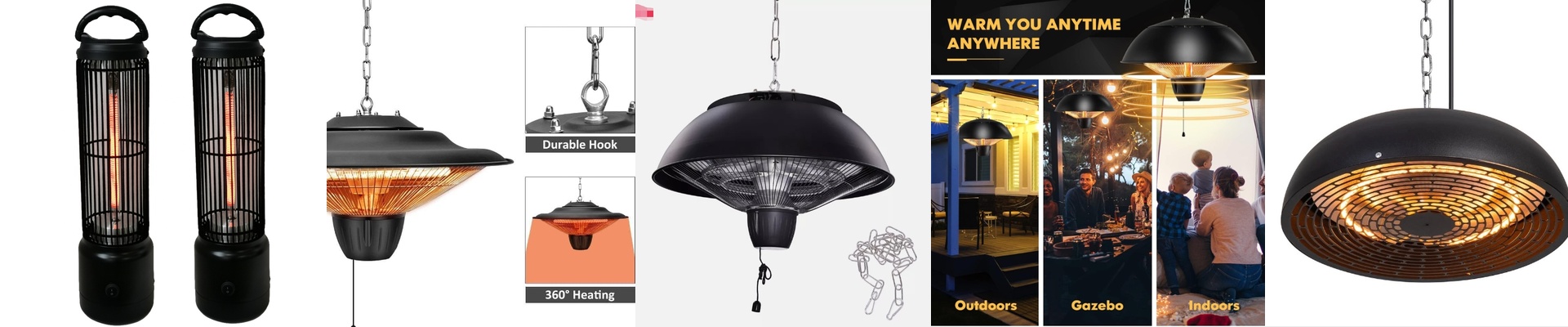
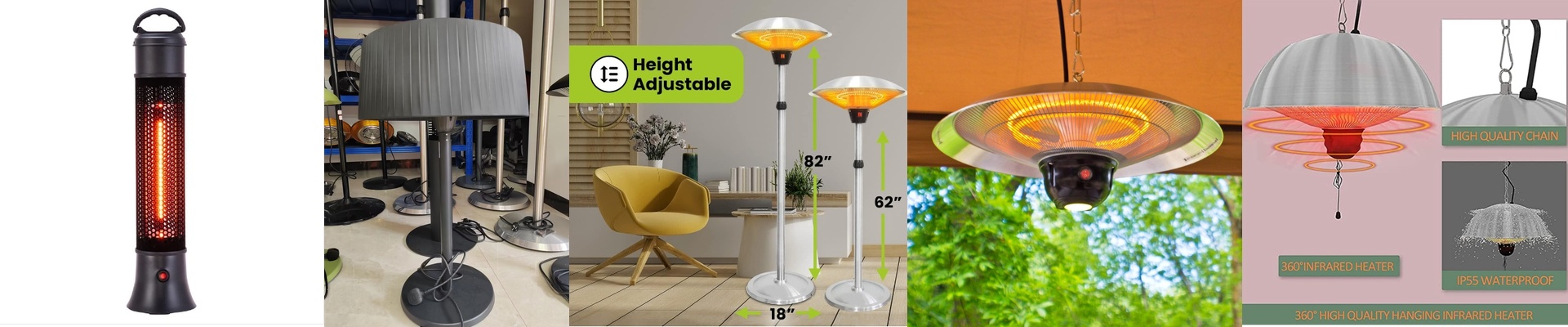
We build these warming display lamps around infrared emitters, and we lean on short-wave quartz elements because they come up fast and give you tight control. You get heat on demand, without waiting around for a big enclosure to come up to temperature. Units typically run on 120V or 240V, drawing 200–400W per lamp, so you can match the output to what the station needs without tripping circuits. A focused reflector puts the energy where you want it—product surfaces hit holding temperature quickly while the surrounding air stays calmer. Less drying. Less steaming. You get fast recovery after a rush, and consistent surface heat that helps prevent cold spots in pans and across plates.
Why this approach holds up in a real kitchen
Speed and consistency in a commercial kitchen come from the details. With this lamp, you reheat and hold at the pass with predictable timing: sandwiches stay crisp, noodles keep their bite, and pizza regains a firmer edge without turning leathery. Service moves faster because plates come out at temperature immediately, and quality stays steady through the shift. Energy use is easier to manage too, because the heat is targeted and recovers quickly—less idle draw compared to a full-cavity holding cabinet. Fewer temperature swings means fewer reworked orders and less food loss.
What you need to get right
These lamps perform best when they’re matched to compatible warming displays and countertop prep stations. Clearance matters—keep the element at the recommended distance from food to avoid overheating or scorching. In humid kitchens, protect the lamp housing from direct spray and steam so it lasts. Plan the wiring and load carefully, and pair the lamp with a dependable thermostat or control so holding temperatures stay repeatable. Set up properly, it becomes a quiet workhorse that keeps the line moving.