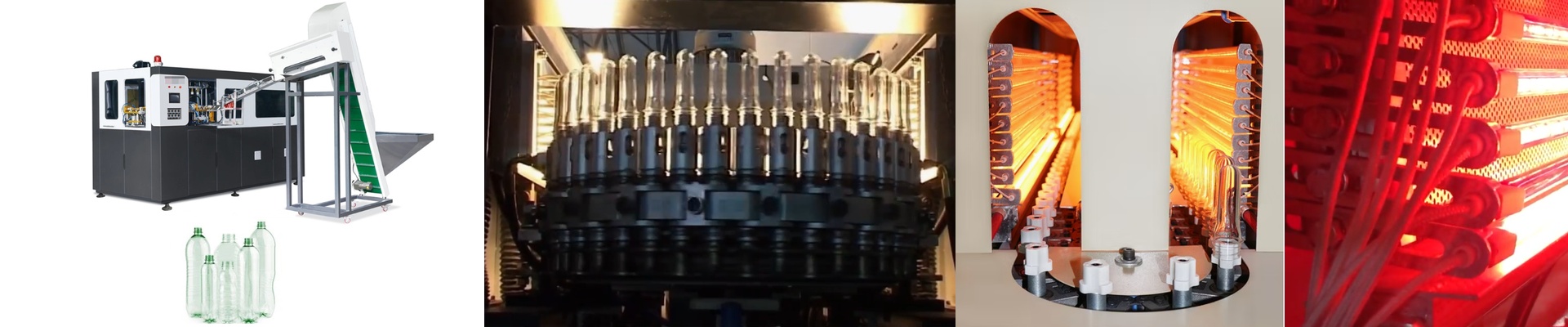
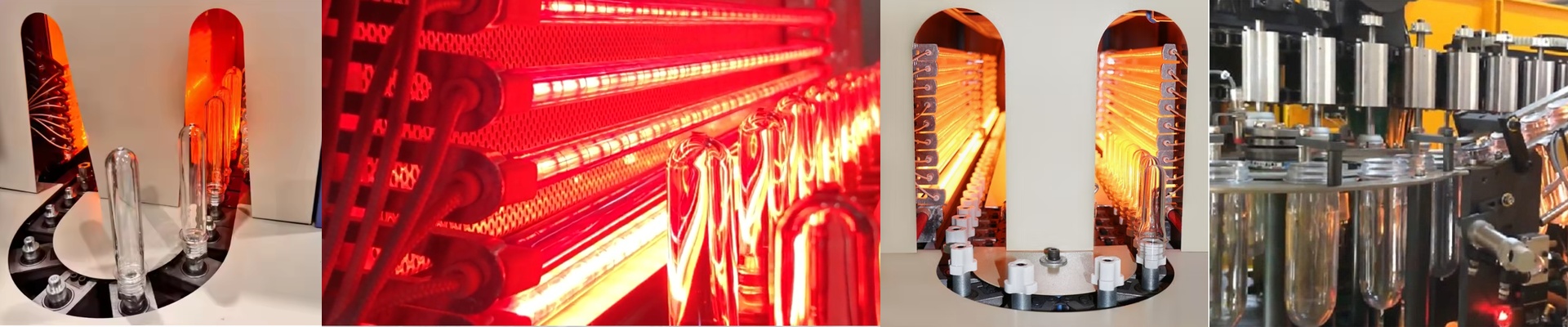
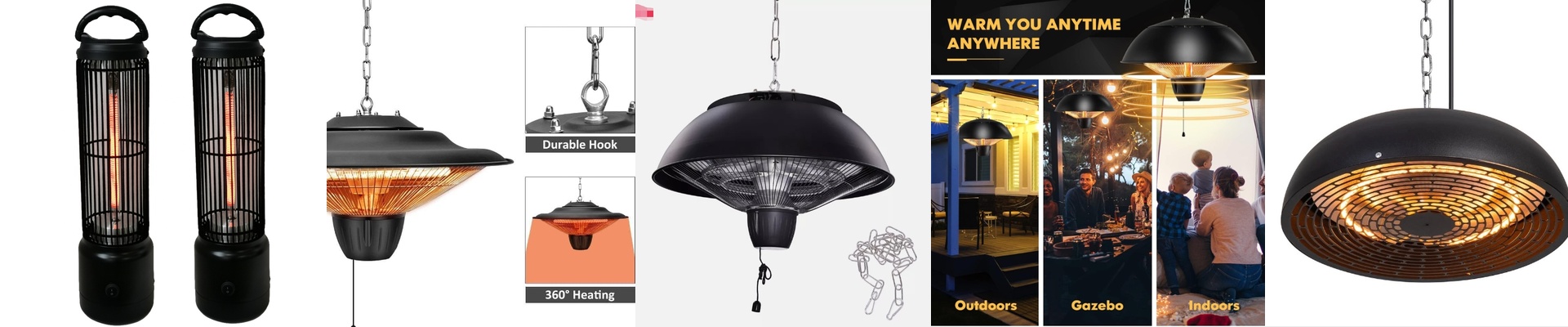
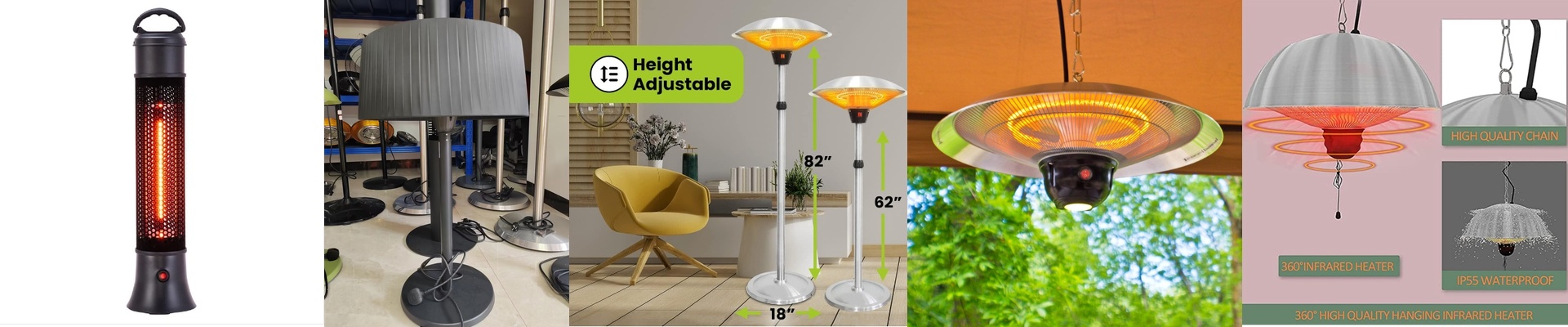
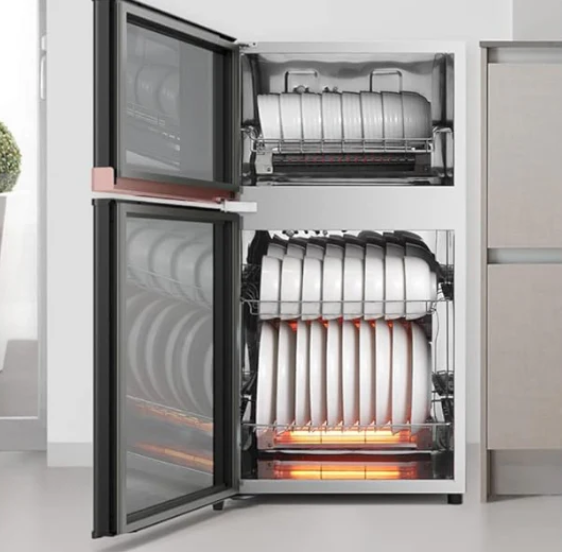
Walk a busy line during the rush and you know the feeling—heat that shows up late, drifts around, then disappears right when you need it. Fry wells go cold between baskets. Holding cabinets drift off target, leaving food dry on the outside and cool on the inside. The outcome is the same every time: missed tickets, tough textures, and a crew that spends more time chasing heat than actually cooking. We built our radiant heater modules to cut out the guesswork. They’re direct-fit heat sources for commercial kitchen ovens—deck ovens, rotary ovens, convection units, and holding cabinets—where steady, controllable radiant energy is the difference between consistent output and constant improvisation.
What matters under the hood
In a commercial oven, heat only does its job when it’s measurable, repeatable, and evenly distributed. Our radiant heaters deliver that with three practical performance points that matter when service is live. **Temperature accuracy and stability.**The control interface holds setpoint with a tight tolerance, and the heater corrects fast. In real life, that means fewer swings inside the baking chamber or holding cavity. You get repeatable results, batch after batch, without chasing the thermostat between orders. **Even heating across the load.**Radiant heat transfers energy directly to product and equipment surfaces, so you don’t rely on air movement alone. That gives you a more even heat envelope—critical for crust development on deck ovens, color consistency across sheet pans, and holding temperatures that protect texture instead of drying food out. **Response speed and duty cycle control.**Fast heat-up means the oven comes back to temperature quickly after door openings and loading. Efficient cycling keeps the element from running flat out, which reduces thermal stress on components and helps stabilize kitchen temperature. The payoff is shorter recovery times and a calmer line. **Power and fit—built for real kitchens.**We offer radiant heater solutions in common voltage configurations and standardized mounting dimensions so they drop into existing equipment without re-engineering the cabinet. Connection options match the application—hardwired or quick-connect—so maintenance stays fast and safe.
Where this shines when service hits
This module earns its keep where pressure is highest. **For fryers: stable heat between baskets.**Fry stations lose heat fast when the basket drops and comes back up. A radiant heater in the well keeps oil temperature steady, so every batch starts from the same place. That translates to predictable crispness, fewer overcooked items, and less wasted oil from temperature swings. **For holding: warm without drying.**Holding cabinets and warming wells need gentle, even heat. Radiant energy warms surfaces without blasting the product with hot air. The result is food that stays at target temperature longer, with moisture and flavor intact—so you can stage tickets without losing quality. **For ovens: predictable bake profiles.**In deck ovens, radiant heat from the hearth supports the initial set and crust formation. In rotary and convection ovens, it supplements air impingement to cut cold spots and improve color uniformity across the load. That means tighter schedules, fewer rejects, and the same results tomorrow as today. **For energy use and workflow.**Shorter recovery means the oven spends less time at peak demand. That lowers energy draw per cycle and reduces the heat load in the kitchen, which improves comfort and safety. Your staff works with the equipment instead of fighting it.
The details that keep it running
Radiant heaters are straightforward to install, but they aren’t set-and-forget. Matching power, mounting, and airflow matters. **Compatibility.**These modules are built for commercial ovens and holding equipment, but field fit depends on the specific model, cavity size, and original heater footprint. Confirm voltage, dimensions, and mounting before ordering. If your oven uses a different control strategy or sensor type, the heater has to match the control logic to avoid overshoot or undershoot. **Clearance and airflow.**Radiant heaters need proper clearance to surrounding surfaces and adequate airflow around the mounting area to prevent overheating nearby components. If the cavity is tight or airflow is restricted, performance and service life take a hit. **Cleaning and maintenance.**Grease, flour, and crumbs build up fast near heating zones. Keep the heater and mounting area clean, and inspect connections regularly. A clean system runs cooler, cycles more predictably, and lasts longer. **One practical trade-off.**Radiant heat is responsive and even, but it delivers energy directionally. In some convection-heavy ovens, you still need air movement for full heat transfer. The best results come from pairing radiant input with the existing airflow pattern, not trying to replace it. If you want steady temperatures, faster recovery, and consistent food quality when the rush hits, the radiant heater module is a practical, engineered upgrade—one that turns heat from a variable into a dependable part of your process.