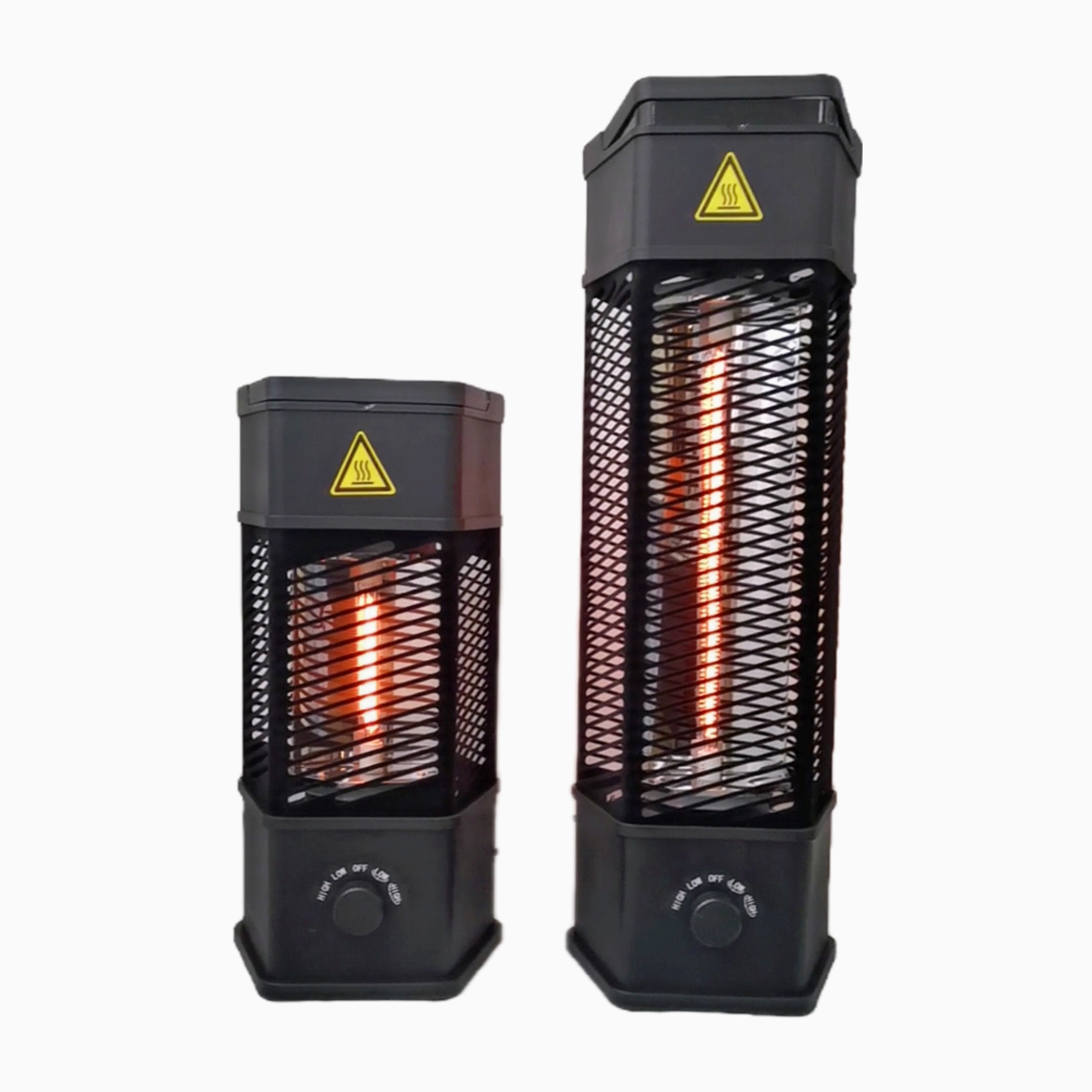
Why we put our IP44 heaters through a “humidity hell”
Bathrooms are honestly the worst place for electronics. You’ve got thick steam, random water splashes, and those wild temperature jumps from freezing cold to sauna-hot in a matter of minutes. If a seal slips even a tiny bit, the lamp burns out. Or, if you’re unlucky, the whole thing shorts. We aren’t interested in guessing how long these will last in your home. Instead, we try to break them in the lab first.
The struggle with IP44
When you see “IP44,” it basically means the heater can keep out small bits of debris and handle water splashing from any angle. To make that happen, the quartz tube and the housing seals have to fit together perfectly. We use special gaskets and coatings to keep the guts of the machine dry. But here’s the catch: seals wear out. Heat makes materials expand. Cold makes them shrink. This “breathing” effect acts like a vacuum, slowly pulling moisture into the electronics over time. It’s a sneaky process, but it’s what kills most heaters.
How we actually test them
We don’t just spray them with a hose and call it a day. We put every batch into these high-humidity chambers and bake them at high temperatures for hundreds of hours. We’re looking for the breaking point. Specifically: *The gaskets: Do they warp or flatten after 50 heat cycles? *The wiring: Does the moisture start eating away at the terminals? *The insulation: Does it still hold a charge when the air is completely saturated with water?
The balancing act
Here is the tricky part. If we seal the unit too tightly to get a higher waterproof rating, we trap the heat inside. That’s a recipe for frying the driver electronics. It’s a constant tug-of-war between keeping water out and letting heat escape. We’ve found a sweet spot. You get a heater that won’t short out in a steamy room, as long as your bathroom has a decent vent to keep the place from turning into a literal swamp.