
How to Actually Size Your Bathroom Infrared Heaters (Without Wasting Cash)
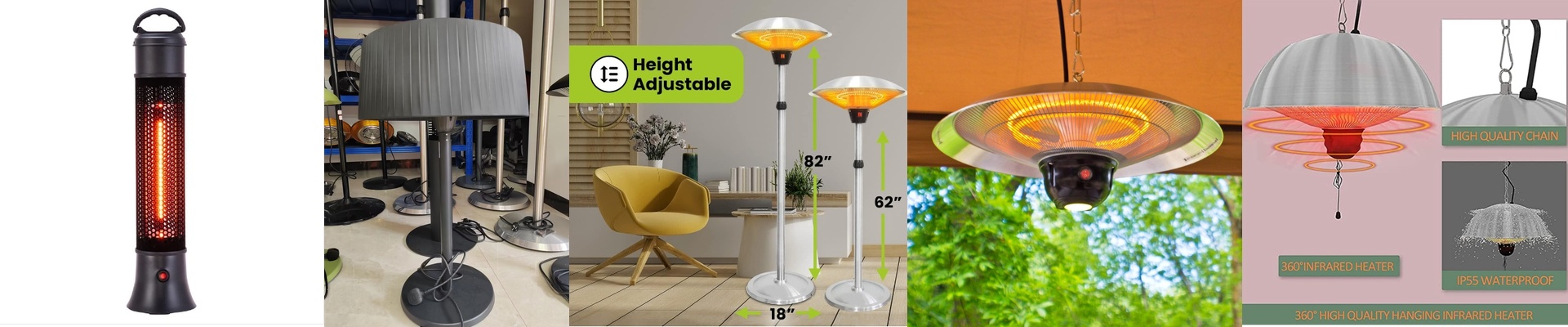
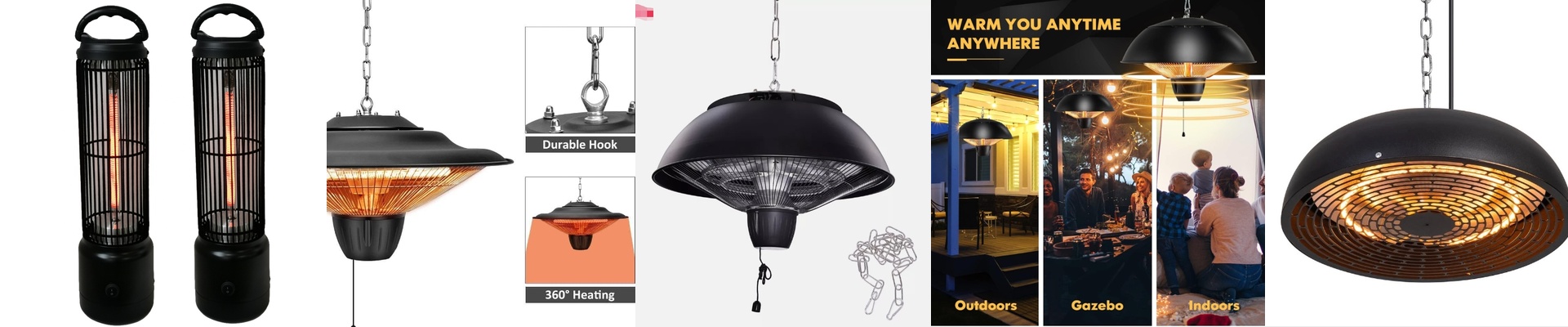
When you’re looking at infrared lamps for the bathroom, your first instinct might be to just grab the one with the biggest number on the box. But honestly? That’s usually a mistake. It’s not about raw power. It’s about making sure the heat actually fits the room. If you get it wrong, you’re either shivering in a cold shower or paying for electricity you don’t need. Size matters Here’s the thing about infrared: it doesn’t heat the air; it heats you. If you’ve got a tiny bathroom—you know, those little powder rooms under 4m²—a small 250W to 400W lamp is plenty. If you throw a massive 600W beast in there, it’ll get sweltering in seconds. The thermostat will freak out, clicking on and off every few minutes. That “short-cycling” is a killer—it wears out the relays and shortens the life of your gear. But if you’re dealing with a huge master bath or a commercial wet room, one lamp won’t cut it. You’ll end up with one hot spot and a bunch of cold corners. In those cases, it’s better to spread out a few 600W or 800W units so the warmth feels even everywhere you step. The “Waterproof” Factor Since we’re talking about bathrooms, moisture is the enemy. We use specialized seals at the connectors to keep the steam out and prevent those annoying short circuits. One little heads-up: that protective glass that keeps the lamp waterproof can actually block a bit of the heat. Because of that, you might want to bump your wattage up by about 10% compared to a standard industrial lamp. It just ensures you actually feel that cozy warmth. Speed vs. Your Circuit Breaker Sure, a high-wattage lamp hits that “perfect” temperature faster. It feels great. But there’s a catch. These lamps pull a lot of current. If you hook up three or four 800W lamps to one single circuit, you’re probably going to trip your breaker. Not a great feeling when you’re mid-shower. To avoid the dark, try splitting the lamps across different phases. Or, just go with a mid-range wattage and a high-quality reflector. A good reflector bounces more heat straight down onto you, giving you the warmth you want without overloading your wiring.