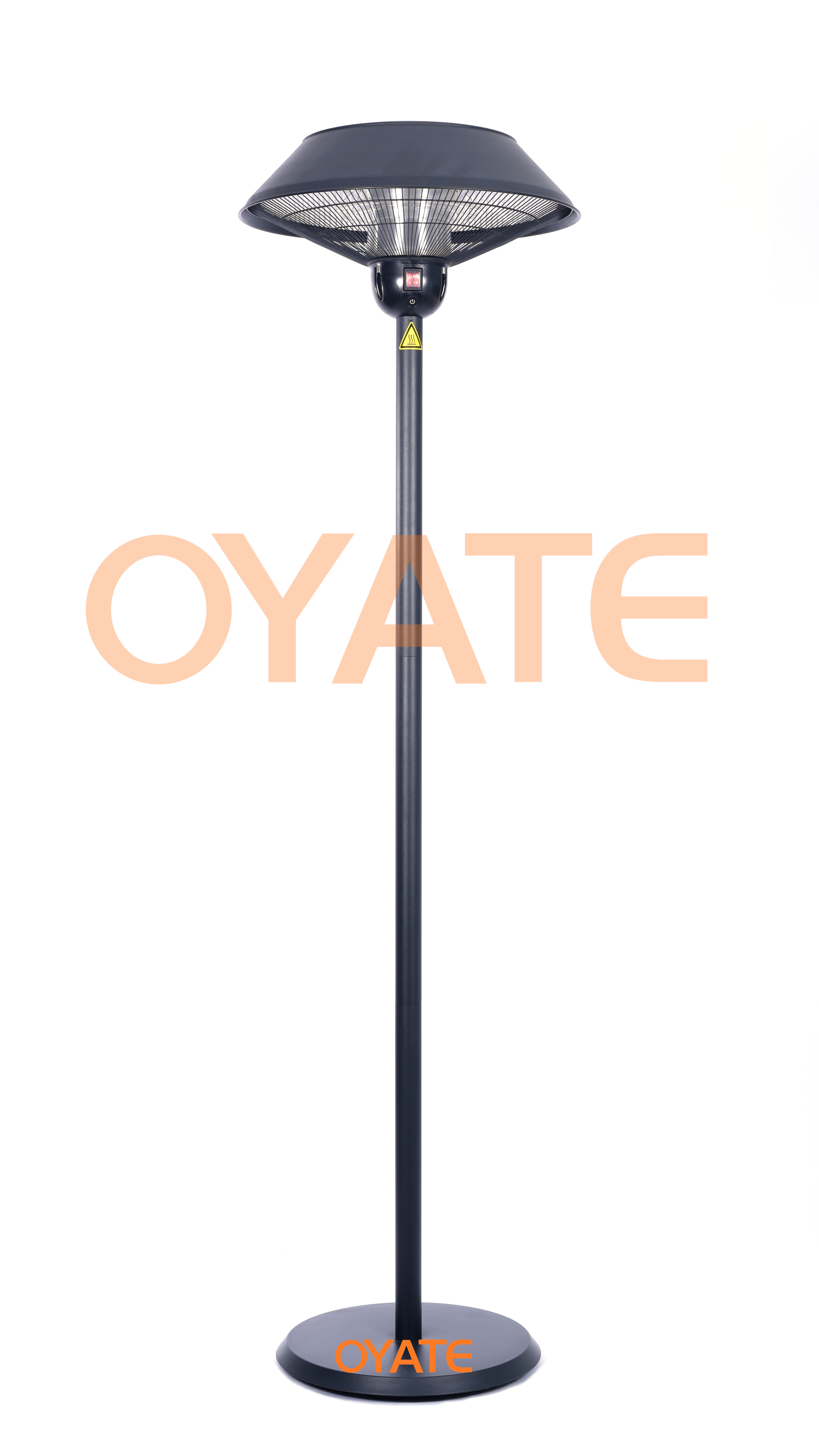
Baseboard Infrared Heaters: Built to Deliver Warmth That Won’t Quit
We built this baseboard heater with one simple idea: give you industrial-grade infrared warmth without cutting corners. We wanted engineers to get a unit that’s tough on paper, easy to wire, and just keeps putting out steady heat—even when the environment is rough.
Power, Voltage, and Size: Made to Fit Real Jobs
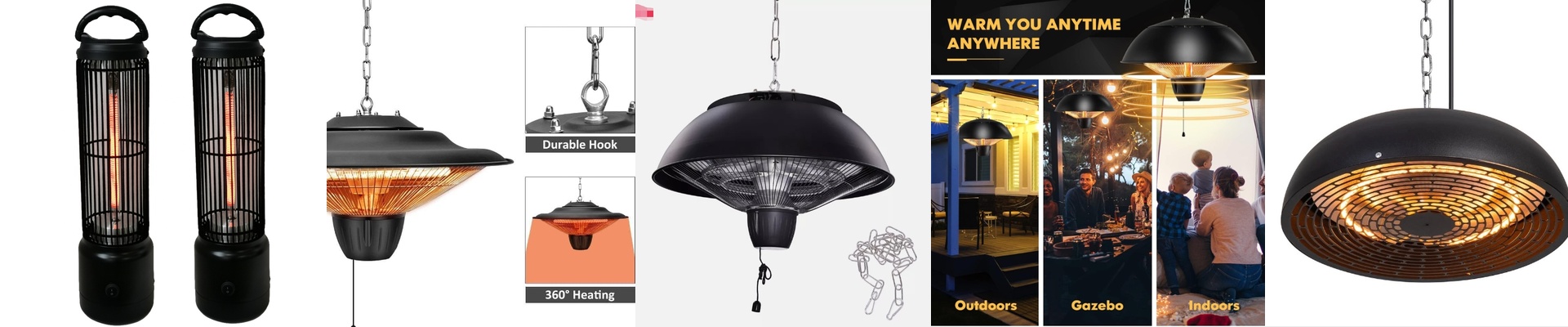
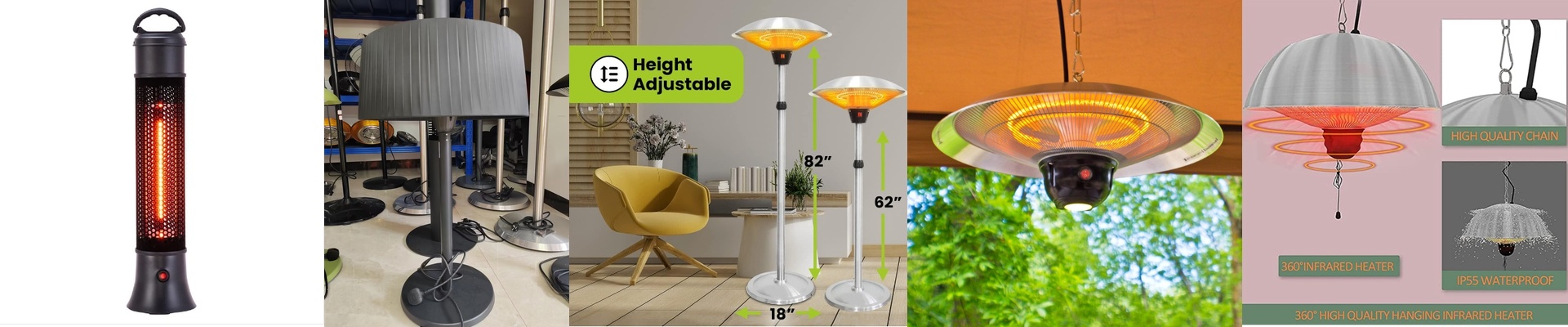
At the heart of this heater is a high-density infrared element, designed to focus heat where you need it most. We size each unit to match real thermal demands, so you get serious wattage without taking up a lot of space. And that 400V rating? It’s about making life easier on the install. It lowers current draw, which means you can use smaller wire and worry less about voltage drop over long runs. So if you’re laying cable across a big plant floor, you don’t have to oversize everything. It just works. The length is matched to the element, too, so the heat zone stays tight. No wasted energy. No hot and cold spots.
Materials and Design: Built to Last Under Pressure
Inside, you’ve got a halogen-filled quartz tube that keeps output stable, even after repeated heating and cooling cycles. The gas inside protects the filament from oxidation, so the heater lasts longer and stays consistent—even after thousands of hours. A reflective coating on the tube pushes infrared energy forward, so more of the heat goes where you want it and less is lost sideways. And the R7s connector? It’s a proven industrial standard for a reason. It locks in fast, holds tight, and stays secure even when things are vibrating. This thing is meant to be a drop-in replacement that can take a beating and still perform.
Where It Shines—and What to Watch For
This heater is for spots where you need fast, focused heat without warming the whole room. Think spot heating, process warming, or baseboard setups where space is tight and reliability can’t be negotiated. It responds quickly, and that high heat density is exactly what makes it effective. But it also means nearby parts need to handle higher temps. So plan your mounting with enough clearance, and make sure airflow is there to protect wiring and sensors. We built it tough, built it economical to run, and made it straightforward to wire. That’s the standard we hold it to.