
Introduction
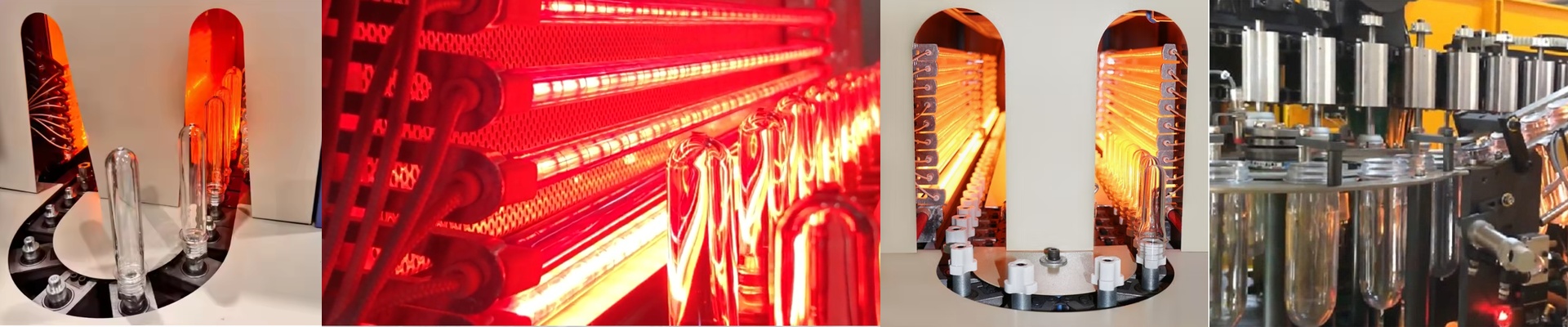
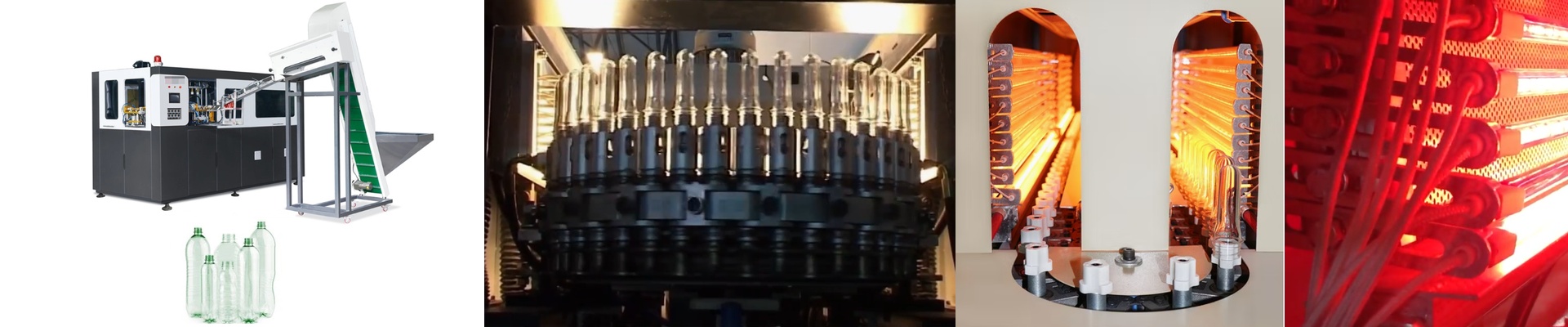
Ever been in a plant where the temperature swings wildly? One minute it’s one thing, the next it’s another. Standard heaters just can’t keep up. So we built something different: a fast-response, gold-coated heat lamp. It’s for engineers who need to hold a stable temperature, no matter how chaotic the environment gets. Here’s how it works: a shortwave halogen element paired with a gold-coated reflector throws focused infrared heat exactly where you need it. Then a high-precision infrared control system keeps a constant eye on the temperature and adjusts on the fly, in real time.
Power, Voltage, and Size: Built for Speed
This lamp was designed to pack a lot of heat into a small footprint. It runs on 400V and pulls 2500W, so it delivers serious thermal output right away, where it matters. The tube is just 300mm long, which concentrates all that energy into a tight zone. That means you can keep your hot area smaller without giving up power. And the whole point? Speed. The shortwave element heats up almost instantly. That lets the controller fix any temperature drift before it can mess up your process.
Inside the Build: The Details That Matter
Inside the quartz tube, the halogen cycle keeps the filament clean and stable. No blackening. Just consistent output, for a long, long time. The gold coating on the reflector? That’s all about directing infrared energy forward. It boosts the intensity where you want it, while keeping the lamp body cooler. Then there’s the R7s connector. It’s a practical, industry-proven choice. Wire it up, lock it in. When you need to swap the lamp, you can do it without messing with the whole fixture.
Real-World Precision: Holding the Temperature, No Matter What
When the ambient conditions are all over the place, the infrared temperature control system is always measuring and adjusting. It compensates for heat loss, sudden drafts, you name it. Because the gold-coated halogen lamp responds so fast, the controller can correct quickly—holding the setpoint without overshooting. It’s ideal when you need a stable surface temperature, even when everything else is changing. One thing to keep in mind: that 2500W density means you need proper cooling and thermal isolation around the fixture. It’s how you prevent local hot spots and keep nearby components safe.