Getting Your Heat Right on SIPA Rotary Machines
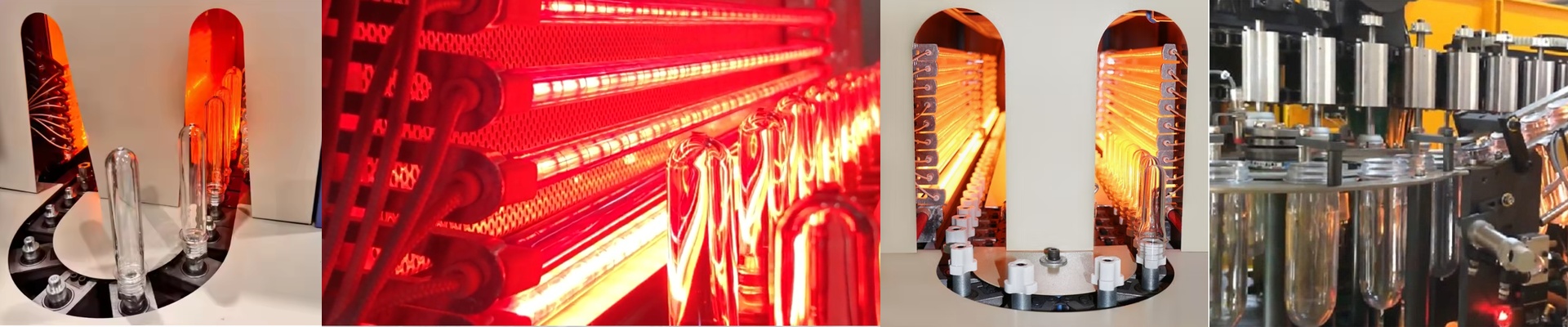
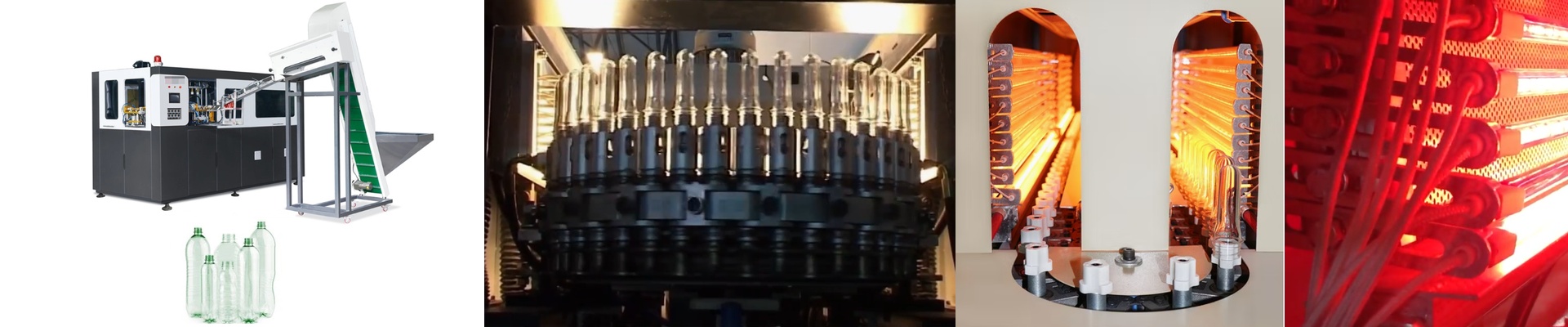
Here is the thing about swapping out IR lamps in a SIPA rotary machine: power mismatch is a nightmare. If your new lamp doesn’t hit the exact same wattage and voltage as the one you pulled out, you’re going to see heating fluctuations. That sounds technical, but in the real world, it just means your PET bottles come out with uneven wall thickness. It’s frustrating, and it wastes material. The trick is in the matching. We build our lamps to be true drop-in replacements. Most SIPA setups need a very specific balance of voltage and wattage to keep the heat density where it needs to be. If the wattage is even a little too low, the preform won’t hit that critical temperature in time. But go too high? You’ll scorch the plastic. We stick to the original OEM footprints and electrical loads so your controllers stay happy and don’t start throwing alarms at you. It’s all about the build. We use high-purity quartz because these tubes take a beating from rapid heating and cooling. Depending on which generation of machine you’re running, we use R7s or SK15 connectors. They fit tight. That’s important because loose contacts cause flickering or, worse, arc-overs. Plus, the shortwave IR is focused to punch through the PET quickly, getting the job done without wasting energy. Real talk from the shop floor. You can’t just grab any random IR lamp and expect your process to stay stable. When you use a 100% power-matched lamp, you don’t have to spend hours messing with your heating profiles again. You just install it and get back to work. One quick tip: remember that higher wattage tubes put more stress on your oven’s cooling fans. If your ventilation is clogged or just acting up, those high-output lamps will hike up the ambient temperature. That’s when you start seeing preforms sag. Keep your vents clear, and you’ll be golden.