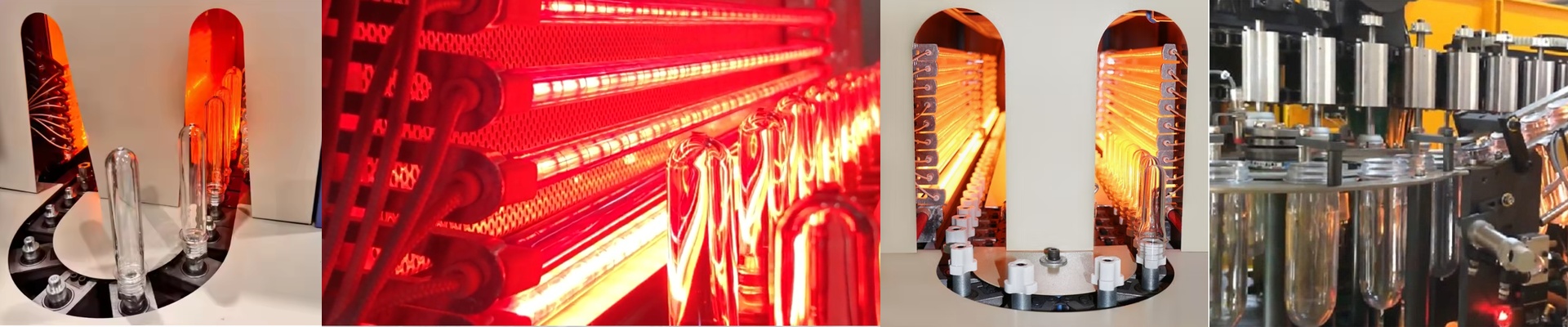
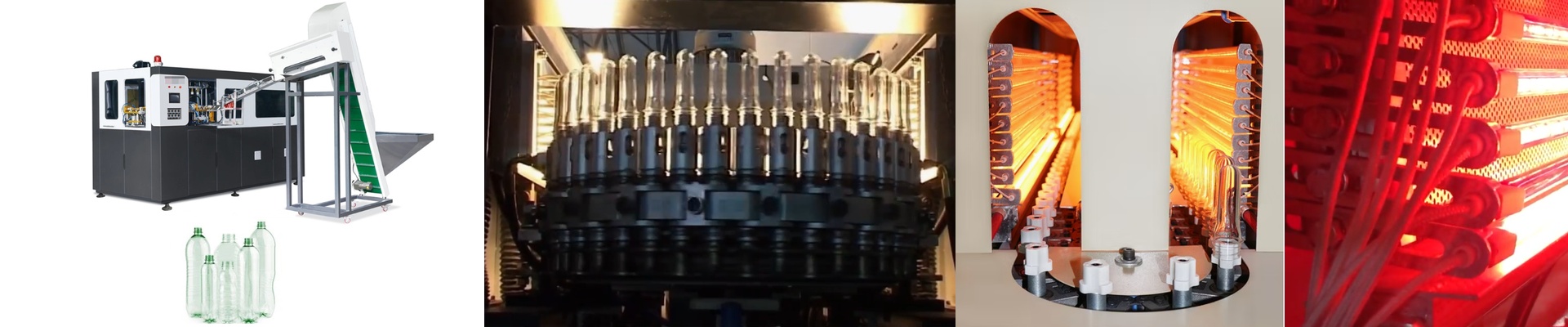
Getting Your Heat Right on SBO 20 and Contiform Machines
When you’re swapping out OEM lamps in a Sidel SBO 20 Series 1 or a Krones Contiform, it usually comes down to one thing: how do I get the heat I need without blowing my budget? We built our replacement lamps to be simple drop-ins. They match the original wattage and voltage, so you don’t have to spend your whole afternoon tweaking your heating profiles just because you changed a bulb. The nitty-gritty on power These lamps have to hit a very specific temperature to get that PET plastic just right. When you go with a high-wattage tube, you’re dealing with a lot of heat moving very fast. We’ve designed these to handle the constant, rapid cycling that happens in high-speed blowing. One quick tip if you’re using a Krones system: keep an eye on your power supplies. If your voltage is jumping around, it’ll eat through your filaments way too fast. Glass, plugs, and the “hot spot” problem We use high-purity quartz glass. Why? Because it doesn’t cloud up or crack when things get hot. Most of these use R7s or Sk15 connectors. Now, these aren’t just about fitting into the slot. You want a tight, low-resistance connection. If the fit is loose, you get a hot spot. And a hot spot can actually melt your housing. Not great. We also use a halogen cycle. It stops the tungsten filament from evaporating and sticking to the inside of the glass, which means your light stays bright and consistent for thousands of hours. Real-world tips for the floor Installing these is the easy part. The part people forget is the cooling. High-density lamps put a lot of pressure on your oven’s ventilation. If your cooling blowers are clogged with dust or just aren’t cutting it, the oven gets too hot. That’s how you end up with “over-blown” bottles or walls that are way too thin in some spots. While you’re in there swapping the lamps, do yourself a favor and wipe down your reflectors. It makes a huge difference in how the IR heat actually hits the preform.