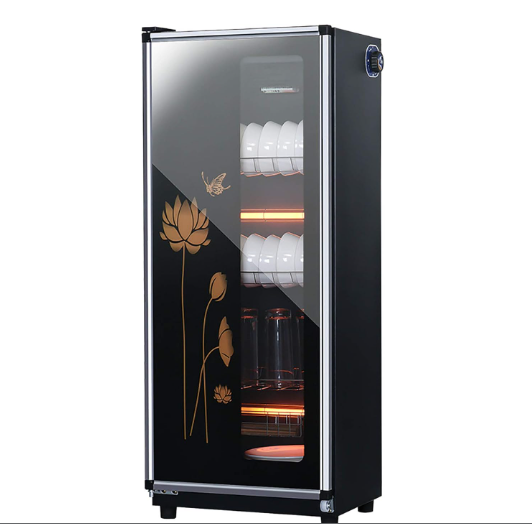
Twin Quartz Tube Steam Ovens: The Industrial Upgrade That Actually Makes Sense
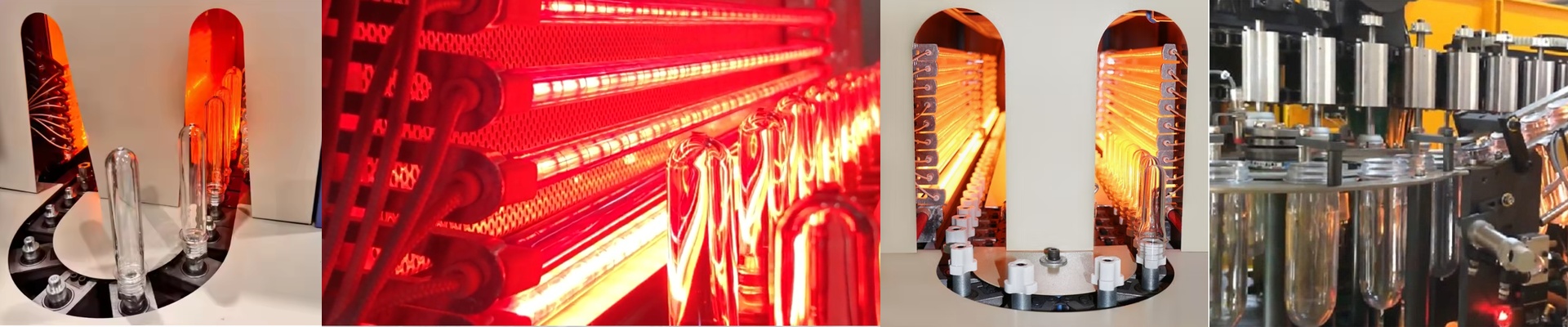
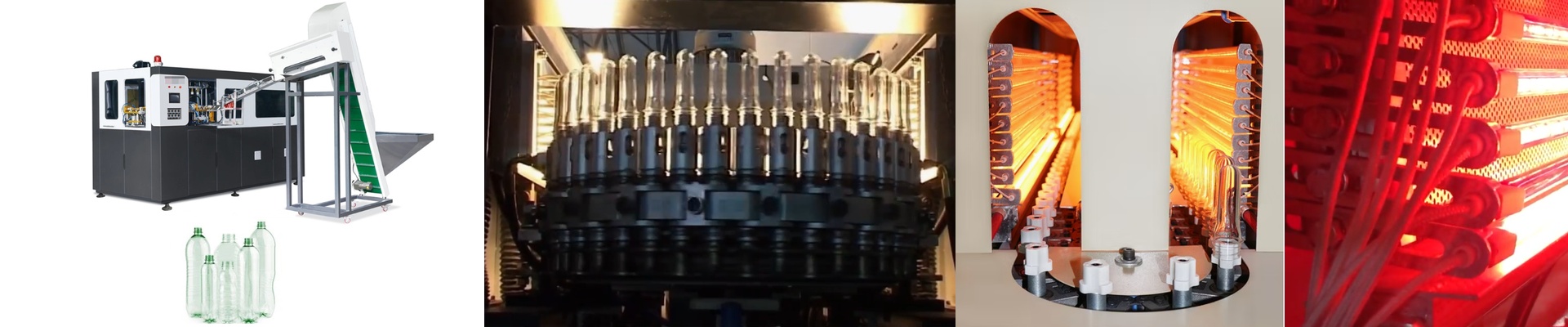
If your plant is stuck with old resistance wire heaters, you know the drill—slow warm-ups, energy bills that feel endless, and temperatures that never quite settle. We built twin quartz tube steam ovens to change that. They swap out the old tech for shortwave infrared, and that means heat goes straight where you need it, no wasted effort.
The Specs, But Make It Real
These units run on serious power—think 400V—because they need that wattage density to heat up fast. The 300mm quartz tube packs a ton of heat into a small space, so you get intense performance without needing a bigger oven chamber. It’s direct heat, and it’s fast. Infrared energy hits the target hard and penetrates quickly, so your oven hits setpoint way sooner than resistance-heated models. But here’s the catch: with that kind of power comes heat. A 400V, high-wattage tube throws off a lot, so your cooling and insulation have to be up to the task. Get those matched, and you’re golden.
Why Quartz and the R7s Connector?
Quartz isn’t just flashy—it’s tough. It handles rapid heating and cooling cycles better than regular glass, and it transmits shortwave infrared like a champ. The twin-tube setup is smart, too. It gives you redundancy and spreads heat more evenly across the zone. And the R7s connector? It’s practical, industrial-grade. It carries the current safely, makes lamp swaps quick, and keeps everything aligned. Inside the tube, halogen or coating treatments keep output steady by slowing filament wear.
What This Means on the Factory Floor
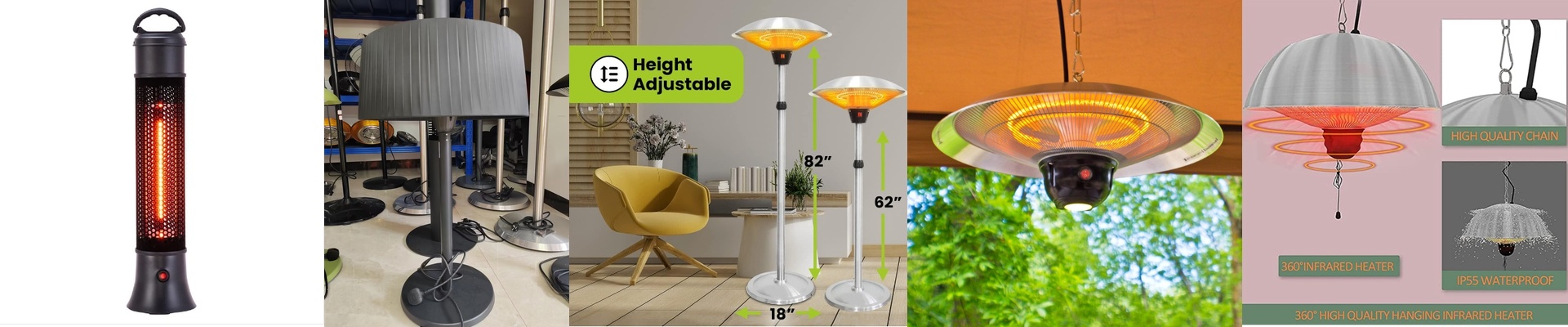
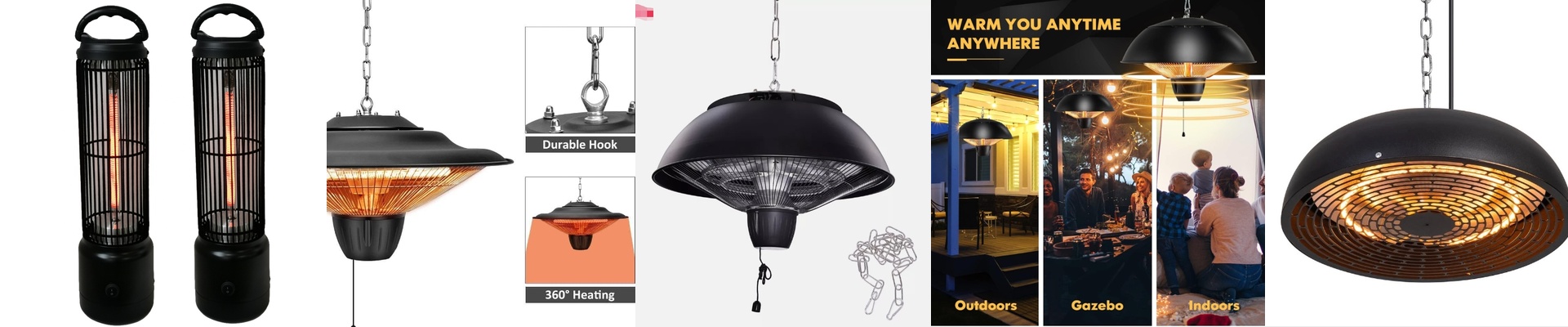
In real life, infrared heating cuts out the middleman. Instead of heating air and hoping it warms your product, the energy lands directly on the surface. For steam ovens, that translates to quicker warm-ups, shorter cycles, and lower kWh use. Maintenance is easier, too. With twin tubes, you can replace one without shutting down the whole heating system. If you run high-temperature processes, you get a drop-in upgrade that keeps things running smoothly—less downtime, lower energy costs, and a setup that just feels reliable.