Introduction
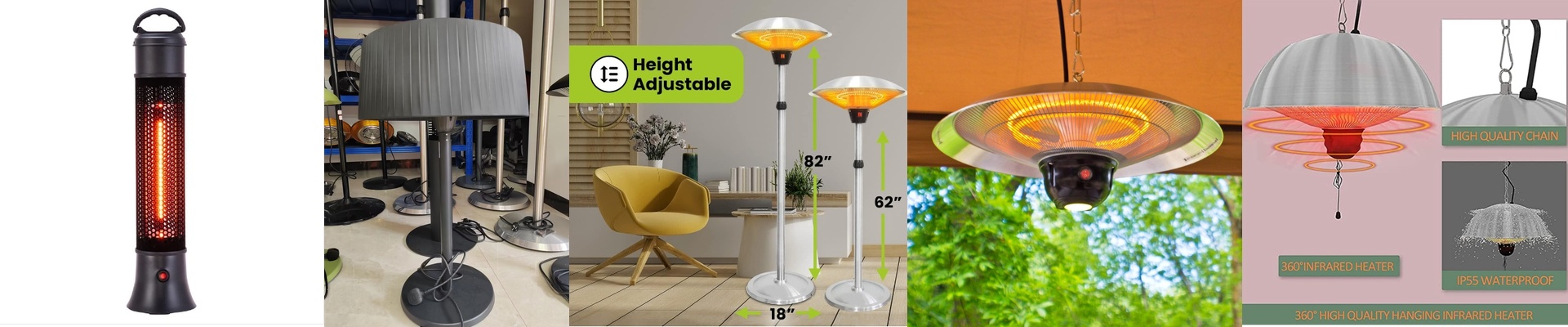
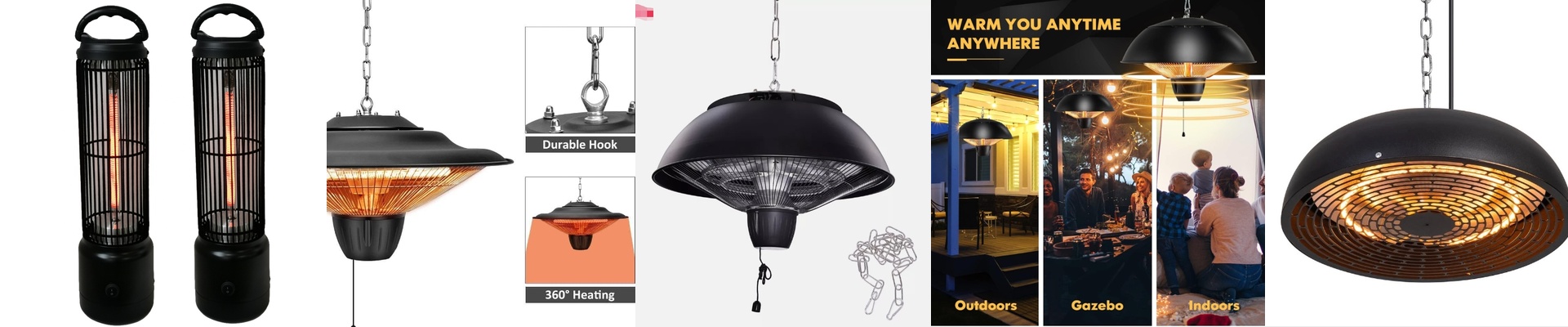
Ten years. That’s how long we’ve been honing this timer electric heater. We started out doing OEM work, but our goal was always bigger—to build something that truly holds its own on a global stage. This isn’t your average home heater. It’s a serious piece of engineering, built for the relentless demands of industry. The kind of heat you can count on when the pressure is on, and downtime just isn’t an option.
What Makes It Tick: Power, Voltage, and Control
Let’s get into the guts of it. This heater was built to handle serious thermal loads. We’re talking a high-voltage setup, usually 400V, cranking out a solid 2500W. That kind of power means it gets up to temperature fast. Really fast. And when you’re on the production line, shaving time off each cycle is a big deal. The 300mm tube focuses all that heat into a tight spot, so it fits into tight spaces without losing any punch. And that timer? It’s not just a nice-to-have. It’s a core tool for keeping your process under control. It automates the heating cycle, cuts down on wasted heat, and protects the parts downstream from getting hammered by thermal stress.
The Build: Halogen, Quartz, and Solid Connections
We chose a halogen-filled quartz tube for a reason. It takes rapid temperature swings in stride, way better than standard glass. Inside, that halogen cycle shields the filament, which means a longer life and steady, reliable output. The tube is also coated to make the infrared heat as efficient as possible. All that energy goes straight to the target, not into warming the air around it. For hooking it up, the R7s connector gives you a secure, high-current connection that’s easy to wire up and won’t loosen up when things get shaky. It’s designed to be a simple, drop-in upgrade for older equipment.
Real-World Performance: Efficiency That Matters
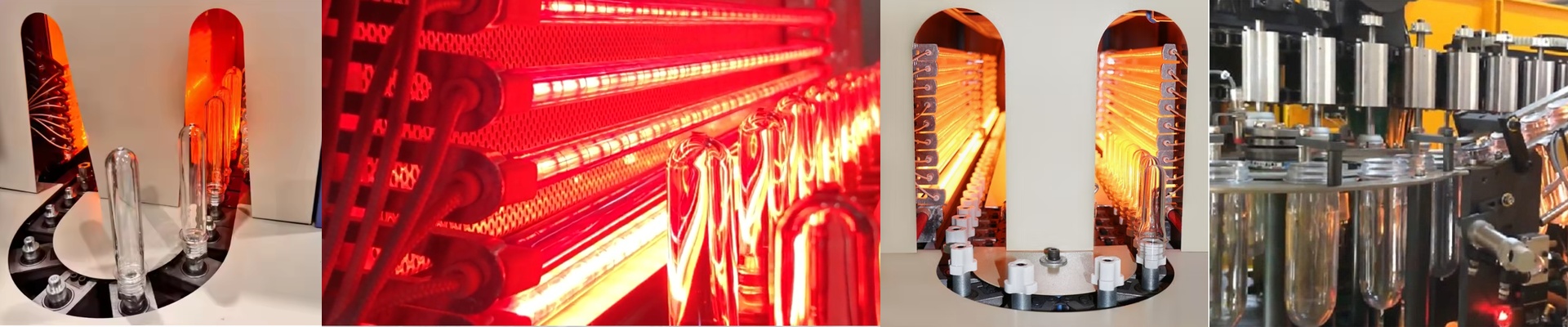
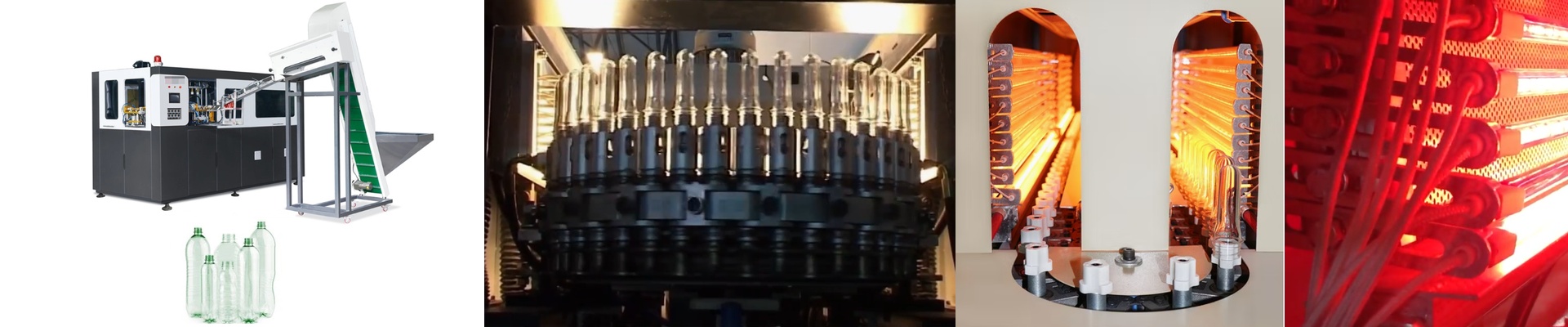
This setup shines in industrial jobs like PET blowing, where you need precise, localized heat. The high heat density means shorter heating windows and less energy used per unit. The timer keeps everything consistent, so every operator gets the same thermal profile, shift after shift. Now, here’s the honest truth: at 2500W, this unit runs hot. So your machine’s cooling system needs to be up to the task. We built this heater to take the heat and keep going, but your supporting systems have to keep pace.