Getting Your Deck Oven to React Faster
If you’ve ever struggled to get that perfect crust and crumb, you know it all comes down to those quick spikes of heat. You can’t just “warm up” a loaf; you need the oven to react the moment you tell it to. That’s why we built our infrared (IR) elements the way we did. We wanted something that could handle being switched on and off constantly without lagging or, worse, burning out after a few weeks.
Why the response is so fast
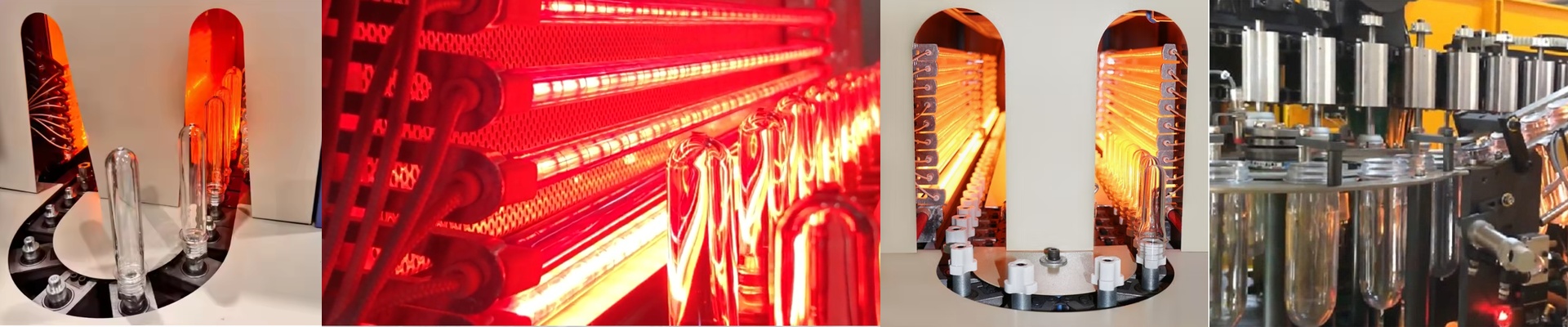
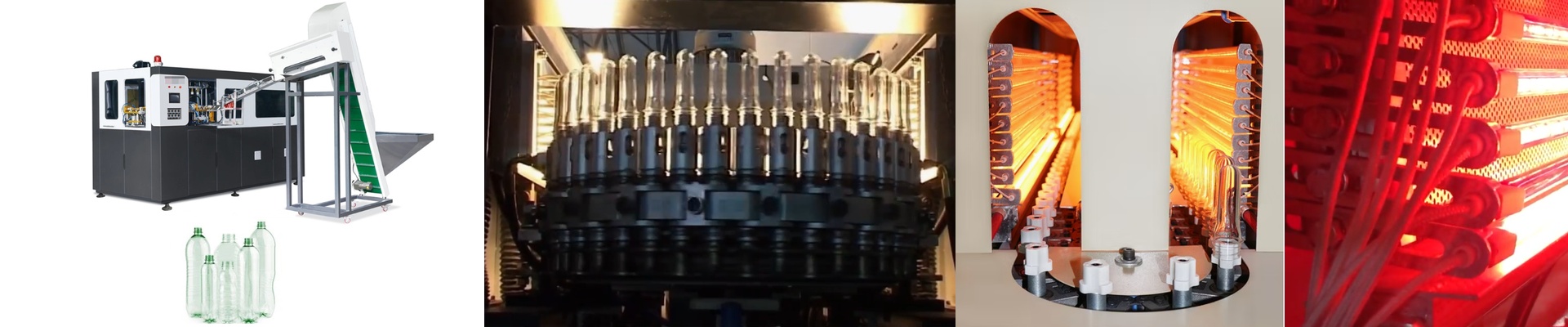
Here’s the thing: most heating elements are slow because they have to warm up the air or a heavy stone slab first. It’s like trying to boil a pot of water before you can actually cook. We do things differently. We use shortwave IR technology. Instead of heating the room, these lamps shoot electromagnetic radiation straight into the product. We also stripped away as much bulk as possible from the quartz envelope. Less mass means less “thermal inertia,” which is just a fancy way of saying the lamp hits full power almost the second you flip the switch. It’s fast. Really fast.
Built to take a beating
Now, switching power on and off every few seconds is brutal on a filament. Usually, the tungsten starts to migrate and thin out, and that’s when your lamp pops. To stop that, we fill the lamps with halogen gas. Think of it as a safety net that pushes evaporated tungsten back onto the filament. We’ve spent a lot of time tuning the pressure inside those tubes so they can handle the constant “stutter” of a PID controller without falling apart.
A few tips for the install
These elements work easily with most standard deck oven controllers, and we can give you whatever length or wattage fits your specific setup. But a word of caution: this kind of speed creates some intense, localized heat. If you’re squeezing a high-wattage tube into a tight space,**make sure your ventilation is solid.**If the air can’t move around the ends of the lamp, that heat soak will eventually eat your connectors. It’s a bit of a trade-off—the faster the response, the more you have to think about the airflow around the housing.