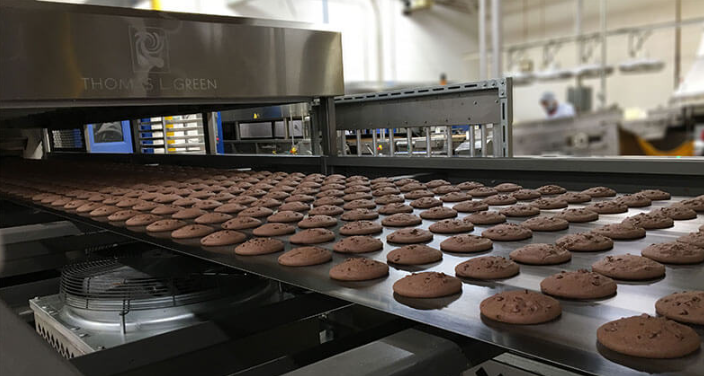
Keeping Steam-Injection Ovens from Falling Apart
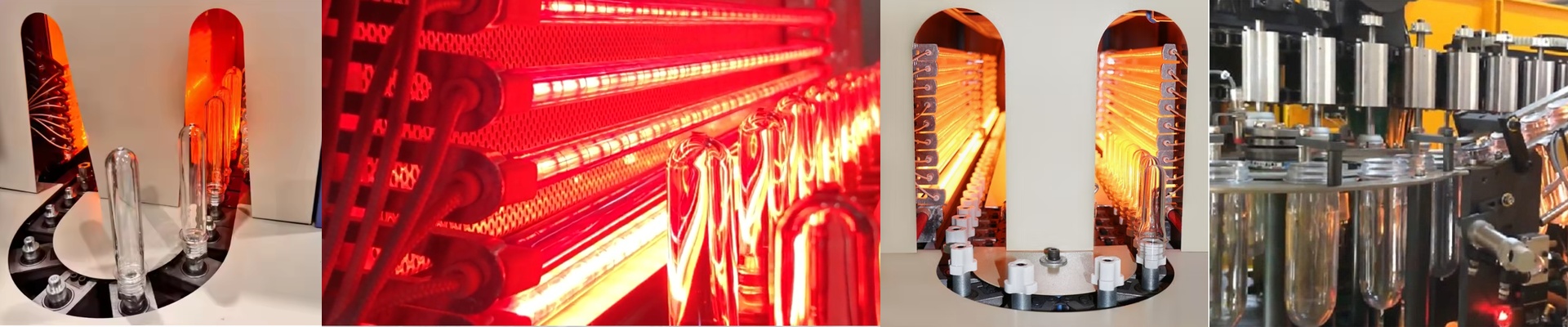
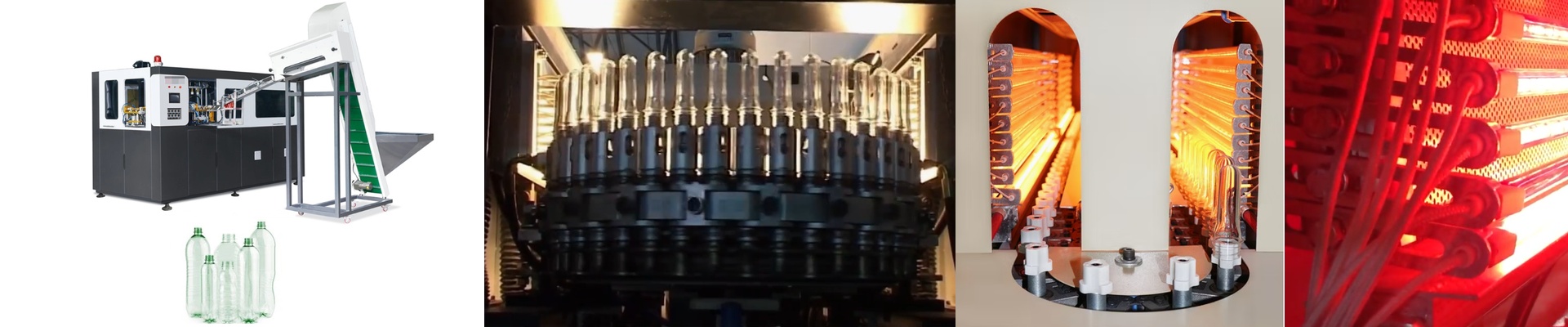
Let’s be honest: steam ovens are a nightmare for heating elements. You’ve got thick humidity, temperatures jumping all over the place, and the constant worry of condensate dripping right onto a red-hot surface. It’s a brutal environment. To keep those drying cycles consistent, we lean on short-wave infrared (IR) quartz lamps. These aren’t the kind of heaters you’d find in a cheap space heater. They’re built specifically to take the punch of commercial baking moisture and heat. The battle with heat and voltage We focus a lot on the wattage-per-centimeter. Why? Because in a crowded oven, space is a luxury. High-voltage setups let us cram more power into a smaller footprint. This is how you get that perfect, crispy crust and a deep brown color without accidentally turning the inside of your loaf into a brick. But there’s a catch. Your power supply has to be rock solid. If you get voltage spikes, those filaments will pop way sooner than they should. Why quartz? Quartz is the only way to go here. It lets the IR radiation through without wasting energy, and it doesn’t shatter when a cloud of steam hits the tube. We often add specialized coatings to the glass. This pushes the heat toward the bread rather than just warming up the oven walls. We also use R7s or SK15 connectors because they fit tight. A loose connection is a disaster—it leads to arcing, and before you know it, your socket is melted. The real talk on lifespan Look, nothing lasts forever in a steam oven. If you want high-intensity heat, you’re going to trade off some of the bulb’s life. It’s just the nature of the beast. But you can make them last longer if you’re smart about it. The secret is your ventilation. If those lamps stay trapped in a thick, saturated steam cloud, the stress on the quartz envelope skyrockets. Keep your seals tight and make sure your airflow is actually moving. It’s the simplest way to make sure you aren’t replacing tubes every other week.