Getting that Perfect Golden Crust with Shortwave Infrared
Anyone who’s spent time in a bakery knows the struggle. You want that gorgeous, golden-brown crust—the Maillard reaction, for the science geeks—but you don’t want to turn the inside of your bread into a crouton. The problem is that standard convection or resistive heat is just too slow. It lags. By the time the air gets hot enough to brown the surface, you’ve often overcooked the middle. That’s why we use shortwave halogen bulbs. They don’t mess around with heating the air first; they just beam heat directly into the dough. It’s almost instant.
Why Speed is Everything
In a commercial line, your window for the perfect color is tiny. Stay in there a few seconds too long? You’ve got burnt toast. Pull it out too early? The bread looks pale and unfinished. Our halogen lamps react in seconds. The moment you flip the switch, they hit peak temperature. This is huge because it lets your PLC pulse the heat on and off. You get total control over exactly how dark that crust gets. It’s a lot less guesswork.
The Nitty-Gritty on the Build
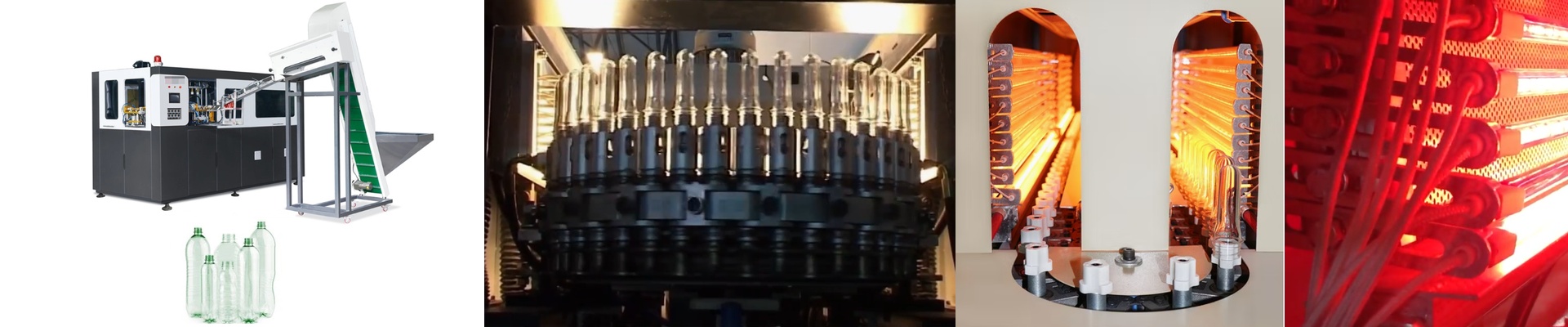
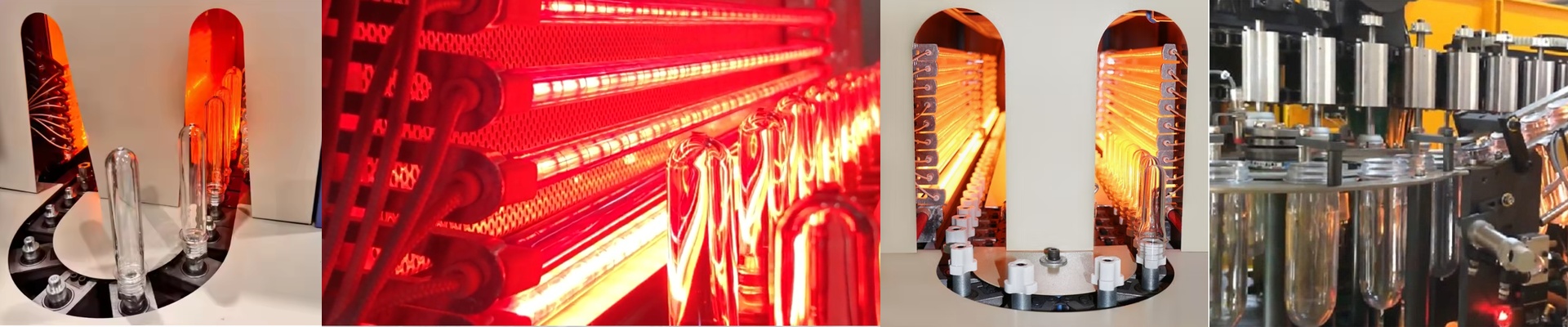
Inside, we’ve got a nichrome filament tucked into a high-purity quartz tube. We use a halogen gas cycle in there to stop the filament from evaporating too quickly. Basically, it means the bulbs last a lot longer, even when you’re pushing them with high wattage. We also stick to R7s or SK15 connectors. Why? Because bakery machines vibrate. A lot. These connectors stay put so you aren’t chasing electrical ghosts in the middle of a shift. Since the radiation hits the surface directly, it’s essentially a “flash” browning process. Fast, efficient, and effective.
A Few Things to Watch Out For
Now, all that heat density comes with a trade-off. These lamps gethot. Like, really hot. If you cram a high-wattage array into a tight space, your housing is going to feel the pressure. You’ve got to make sure your ventilation and cooling can actually handle the temperature spike, or you’ll end up warping your oven chassis. One last tip: double-check your wiring gauge. Halogen arrays can have some pretty aggressive current spikes when they first kick on, and you don’t want your wires struggling to keep up.