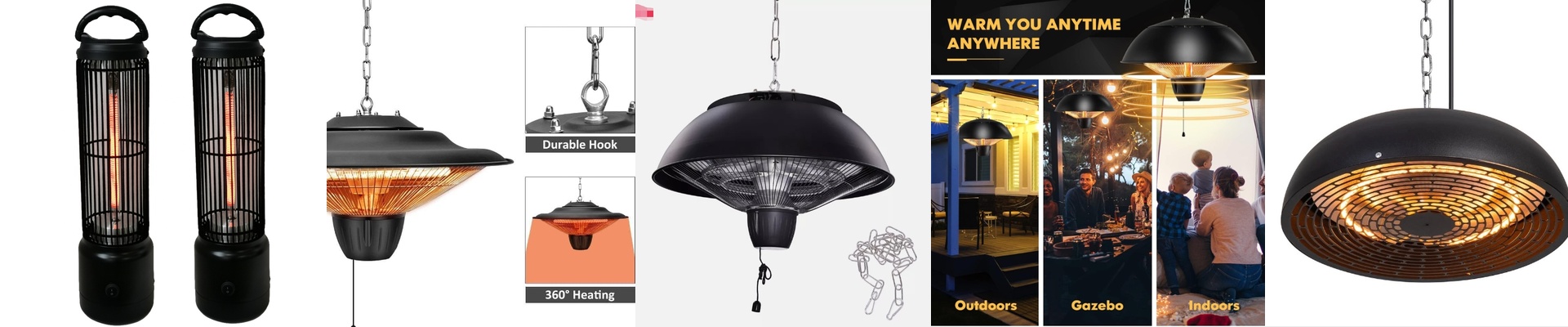
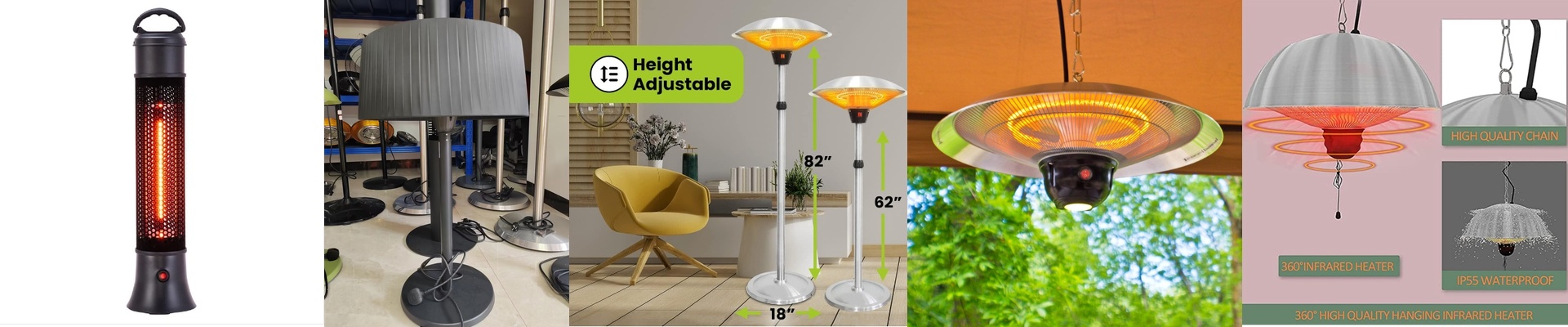
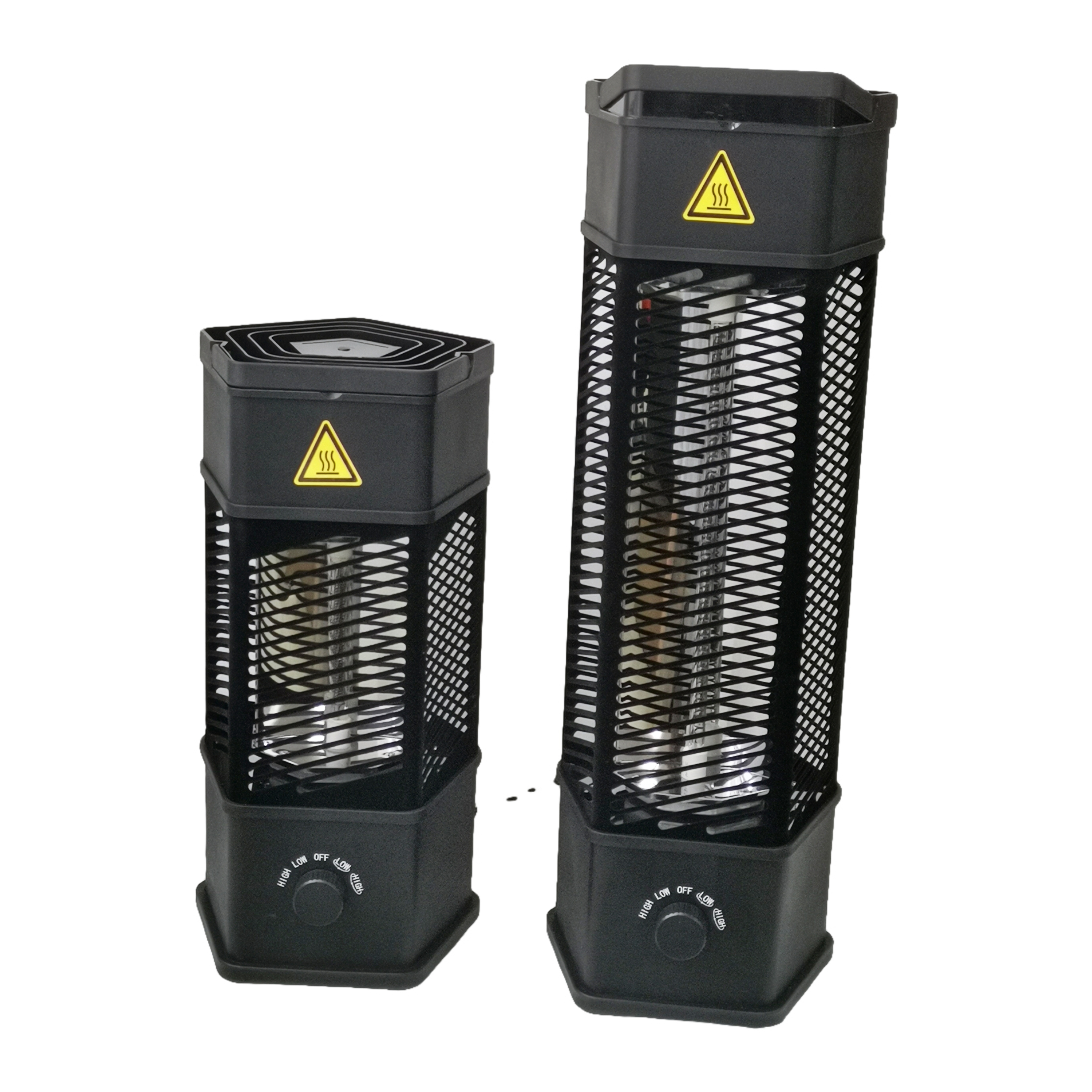
How to Pick the Right Infrared Heater for Your Bathroom
Getting the wattage right for your bathroom is basically a balancing act. You want to feel that cozy warmth the second you step out of the shower, but you don’t want to turn your bathroom into a sauna or waste money on your electric bill.
Getting the Power Right
First things first: look at how much space you’re actually dealing with. If you’ve got a tiny powder room (under 4m²), a 400W to 600W lamp is plenty. Don’t make the mistake of throwing a 1200W unit in there. It’ll overheat the room in seconds, and your thermostat will be clicking on and off constantly. That’s a great way to burn out your relay way faster than it should. For a medium-sized bathroom (5-10m²), you’re looking at 800W to 1200W. Now, if you have a massive master bath or a wet room over 12m², you’ll need 1500W or more. In these bigger spaces, I usually suggest using a few smaller units spread out. Why? Because infrared travels in waves. If you have a big vanity or a heavy shower curtain in the way, you’ll end up with “cold spots.” Spreading the heat ensures you’re warm no matter where you’re standing.
The Deal with IP55 and Humidity
Since we’re talking about bathrooms, water is the enemy. That’s why we stick with IP55-rated fixtures. It’s just a fancy way of saying the housing is sealed tight against water splashes and dust. One thing to keep in mind: that protective casing can slightly change how the heat escapes. That’s why we use short-wave infrared. Instead of trying to heat up the damp air—which is a losing battle in a room with a vent fan running—it beams the heat directly onto your skin and the surfaces around you. It’s fast. Really fast.
A Few Things to Watch Out For
It’s tempting to just go for the highest wattage possible to get that “instant” heat. But here’s the catch: your electrical panel. If you plug three 1500W heaters into a single 16A circuit, you’re pushing your luck. You really need to check what your breaker can handle before you go overboard. And just a heads-up: more power doesn’t actually make the room “warmer” once it hits the temperature you set. It just means the heater works harder to get there, often overshooting the mark and wasting electricity in the process. Keep it simple. Match the power to the room, and you’re golden.