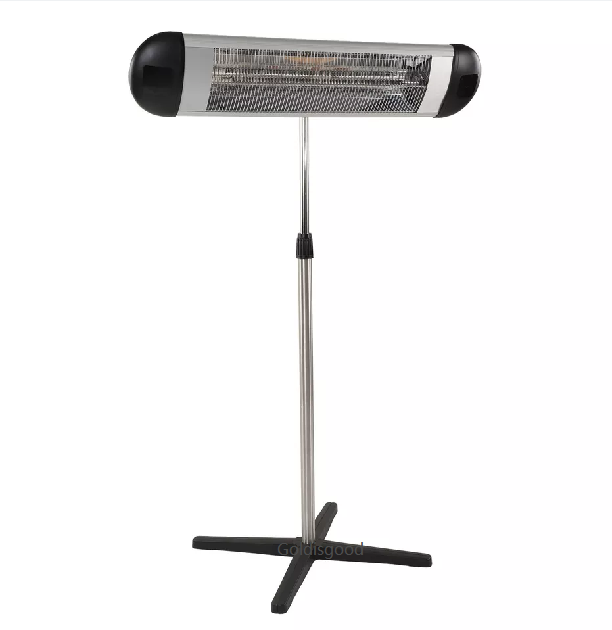
The Idea Behind Our Bathroom Mirror Heater
We built this bathroom mirror heater around one simple promise: warmth, right now. It uses powerful infrared elements to heat you and the objects around you directly—not the air. So there’s no waiting around, no chilly build-up. The moment you switch it on, you feel that instant comfort.
Power and Control, Without the Headache
It runs off a standard electrical supply, so it delivers focused heat without tripping your typical bathroom circuit. But here’s the part that makes it feel effortless: it works directly with your smart home system. That means you can fire it up with a tap on your phone or set it to run automatically. The unit handles the power behind the scenes, so you just get heat when you need it—no fuss, no manual steps.
Why Quartz? And Why the R7s Connector?
The heating element sits inside high-purity quartz glass. Why? Because quartz handles rapid heating and cooling without breaking a sweat, and it sends infrared energy out efficiently. It’s built to stay tough even under continuous high heat, so it won’t crack under the kind of thermal shock that takes cheaper parts down. As for the R7s connector, we chose it because it’s a dependable industrial standard. It gives you a secure, high-amperage connection that’s straightforward to wire during installation, and it holds steady against vibration and expansion from heat. For installers, it means a reliable fit that doesn’t demand redesigning the basics.
What It Feels Like in a Real Bathroom
In the bathroom, this setup does two things you can really notice. It warms surfaces fast, which helps keep the mirror from fogging up and makes cold tiles feel welcoming the second you step on them. And with smart integration, it becomes more than a fixture—it turns into a responsive system that reacts to your routine. There is one practical note, though. Because the heat is so concentrated, the enclosure needs a properly planned cooling and ventilation setup. That keeps ambient temperatures in check and protects the electronics. So you get speed and direct warmth, but the overall design has to include a smart thermal plan.