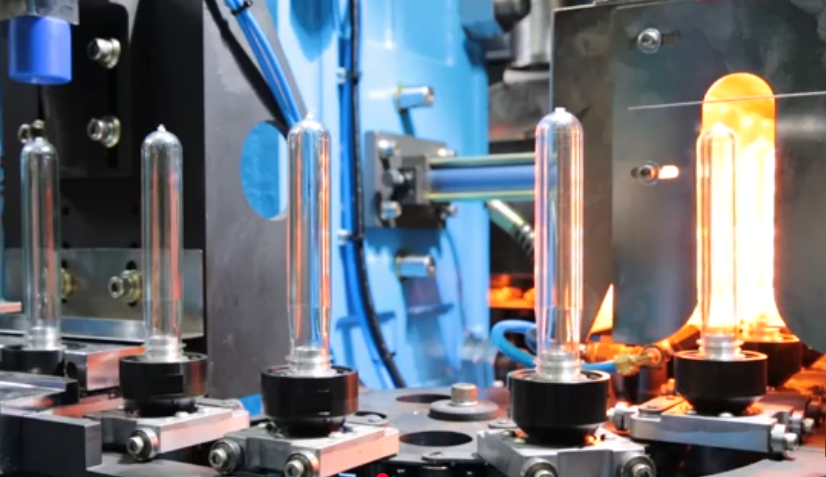
Stop the Cycle of Broken Tubes in Your SIG Blomax Ovens
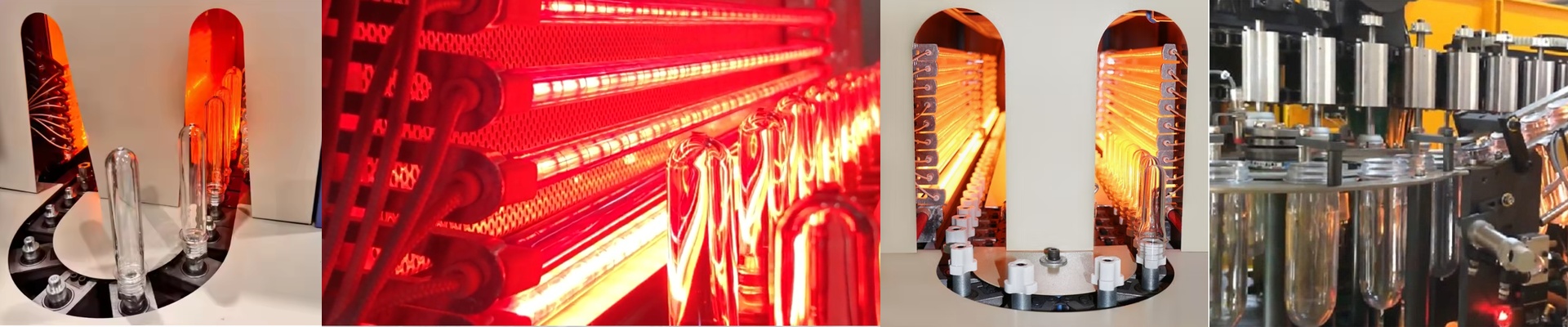
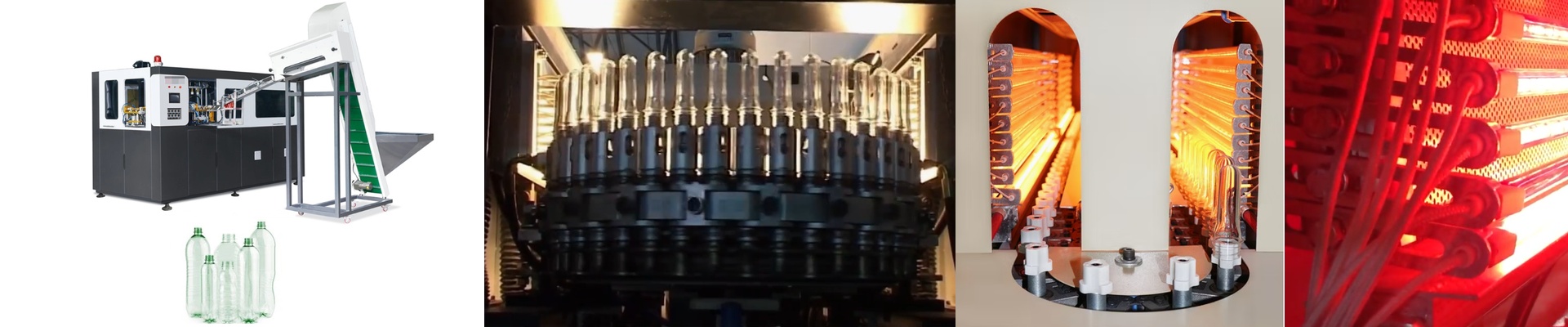
If you’re running SIG Blomax lines, you know the headache of tubes failing left and right. It’s usually a mix of mechanical stress and that constant heating-and-cooling cycle that just wears the glass down. It’s frustrating. You’re trying to hit your numbers, and instead, you’re dealing with constant downtime. That’s why we built our replacement lamps differently. We didn’t just follow the OEM blueprint—we focused on making them tougher so you can actually stop worrying about them snapping. Getting the heat right These lamps use high-wattage shortwave infrared. The goal is to get that PET preform to its glass transition temperature without scorching the outer wall. But here’s the thing: when you’re pushing high-density heat, things get intense. You’ve got to make sure your oven’s airflow is wide open. If the air doesn’t move, heat traps around the ends of the lamp, and that’s a one-way ticket to a premature burnout. Built for the factory floor Let’s be honest: a high-speed production line is a violent place. Standard quartz tubes just aren’t built for that kind of vibration. We used a reinforced quartz blend and beefed up the end-cap sealing to handle the physical beating your equipment takes. We also tightened up the specs on the connectors. Why? Because a loose connection creates a hot spot that eats right through the terminal. We’ve hardened the points where the lamp hits the holder so they actually stay put. What to expect during the switch Swapping these in is easy. Just wire them up and dial in your power. One quick heads-up: because the quartz is reinforced, it might let through a slightly different infrared spectrum than those thin-walled tubes. You might need to tweak your power controllers by 2-5% to get your temperature profile exactly where you want it. It’s a tiny adjustment. A fair trade, in my opinion, for a lamp that doesn’t shatter during a routine line change.