Fixing the “Cold Spot” Problem in Multi-Layer Ovens
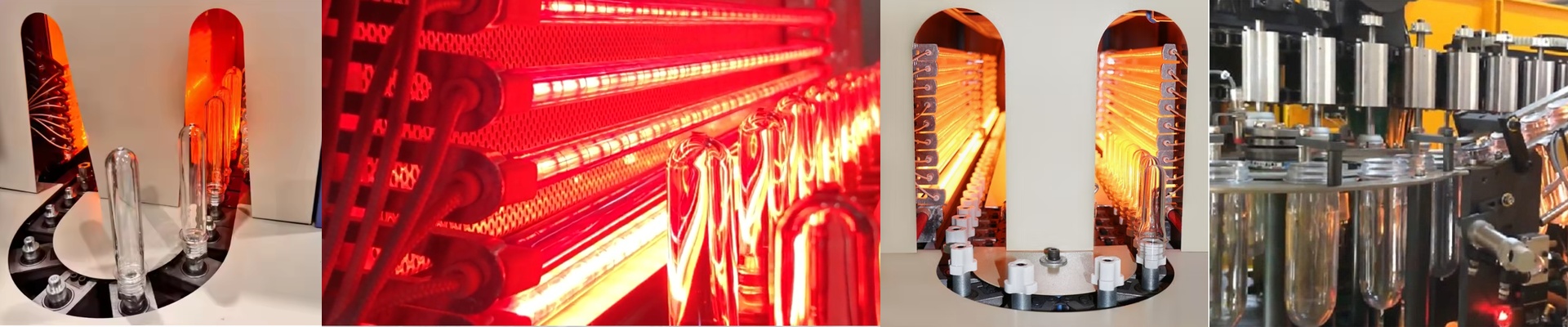
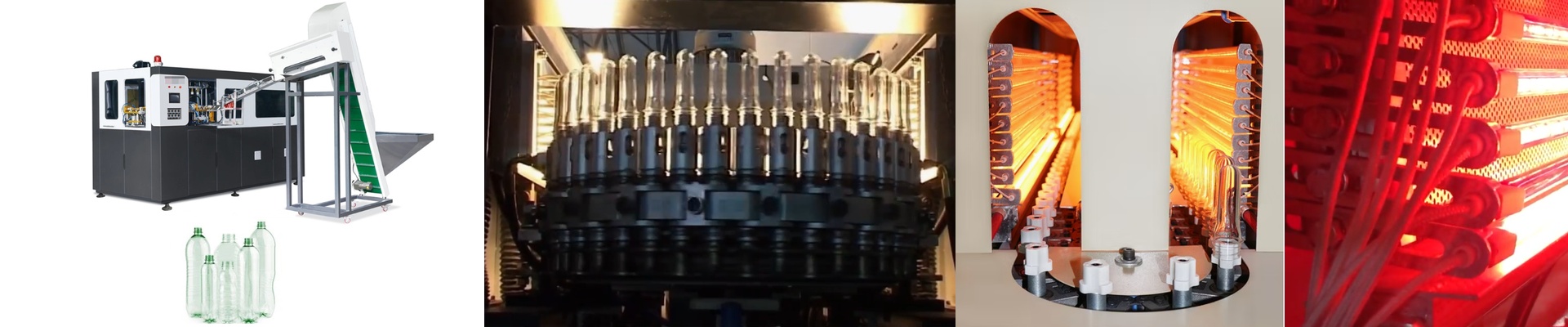
Let’s be honest: standard convection ovens can be a pain. You put a full load in, and suddenly the top rack is burnt while the bottom is barely warm. Air circulation is great, but it can’t always fight against a heavy load of product or the heat that escapes every time you crack the door open. We found a better way to handle this. Instead of relying on just air, we put independent infrared (IR) heat tubes into every single layer. Control where it actually matters Most ovens use one big heating element to warm the whole box. That’s a blunt instrument. With separate IR tubes, you get to decide exactly how much power goes to each level. We wire each tube to its own PID controller and thermocouple. This gives you a level of control that’s actually useful. If you notice the middle rack is lagging by five degrees, you just bump up the wattage for that specific tube. You don’t have to worry about scorching the top layer just to get the middle up to temp. Why IR? We go with quartz-halogen tech because it reacts fast. Really fast. Convection needs air to move heat, but IR uses radiation. It’s like the sun hitting your skin—the energy goes straight to the product surface. Because the heat transfer is so aggressive, you spend less time with the oven door open during loading, which means you aren’t bleeding heat into the room. A couple of things to keep in mind Now, it’s not all magic. There are some practical trade-offs. High-wattage tubes are powerful, but they’re hungry. They put a real strain on your wiring. You’ve got to make sure your cabling and contactors are rated for the actual voltage and current you’re pushing, or you’re looking at a burnout. Also, quartz is fragile. One clumsy move with a heavy tray and you’ve got a broken tube. We always suggest adding protective guards or recessing the housings. It’s a small detail that saves you a massive headache later. The bottom line for engineers Adding these tubes basically turns a standard convection box into a precision tool. You get tight tolerances and the same result on every single rack. It’s a great move for anyone who needs better temperature uniformity but doesn’t have the budget or the time to scrap their entire oven chassis and start from scratch.