Getting the Heat Right in Rotary Ovens
Nobody likes a “cold spot.” You know the feeling—you pull a batch out of the oven and some parts are perfect while others are barely done. It’s frustrating. To fix this, we stopped relying on standard metallic coils and switched to ceramic thermal elements. Here is why that actually matters.
The secret is in the ceramic
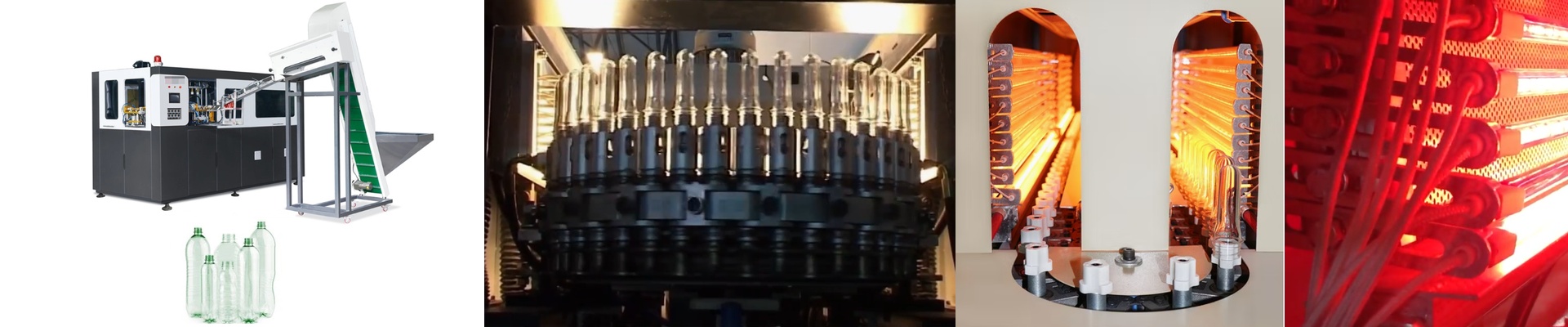
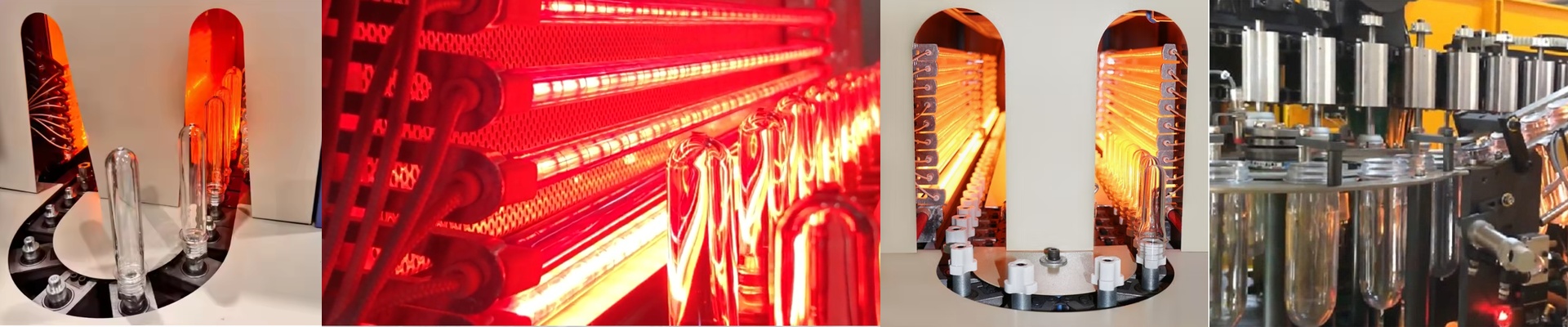
We wrap the resistive wire in high-purity alumina ceramic. This stuff is a beast when it comes to heat; it doesn’t warp or bend when things get scorching. Think of the ceramic shell as a buffer. Instead of a sudden, violent spike of heat, the energy rolls out steadily. When we hook these up to a PID controller, the timing becomes predictable. It’s the only way we can hit those tight temperature tolerances you usually only see in the big-name international brands.
It’s all about the response
Precision isn’t just about having a fancy sensor. It’s about how the heating element actually reacts. We’re very picky about the wattage-per-centimeter ratio. Why? Because we want the heat to feel the same across every single inch of the rotary chamber. If the element is too weak, the oven takes forever to get back up to temperature after you open the door. Too powerful? You’ll end up with burnt edges and a lot of wasted product. We aim for that sweet spot right in the middle.
The honest trade-off
Now, nothing is perfect. Ceramic elements are way tougher than bare wire, but they have more “thermal inertia.” In plain English: they take a bit longer to warm up from a cold start. You aren’t getting an instant heat-up here. You just have to tweak your control logic to account for that ramp-up time. Once it’s moving, though, it stays steady. We’ve put these through the ringer with calibrated thermocouples to see how they stack up against the industry benchmarks. The results? A deviation of less than ±1% across the whole zone. If you’re looking to replace high-end European or American components, these slide right in and do the job.