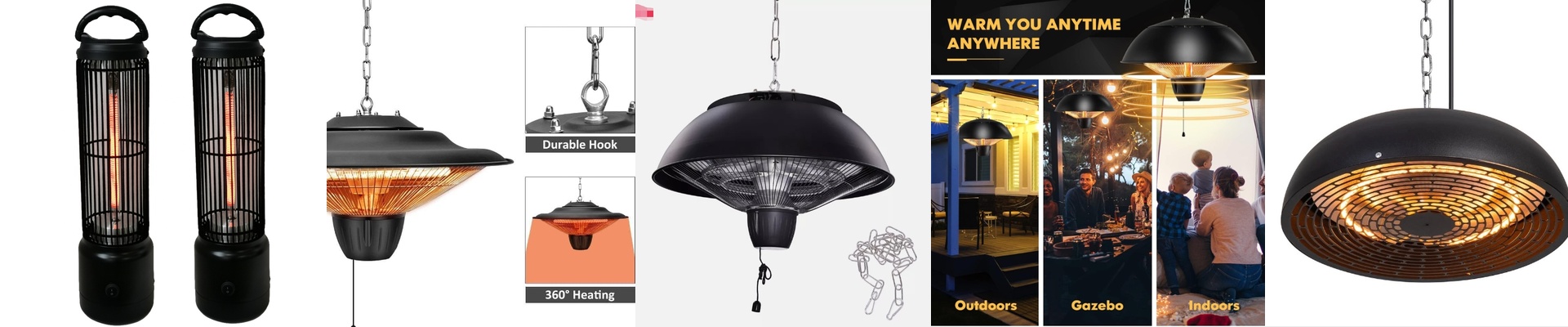
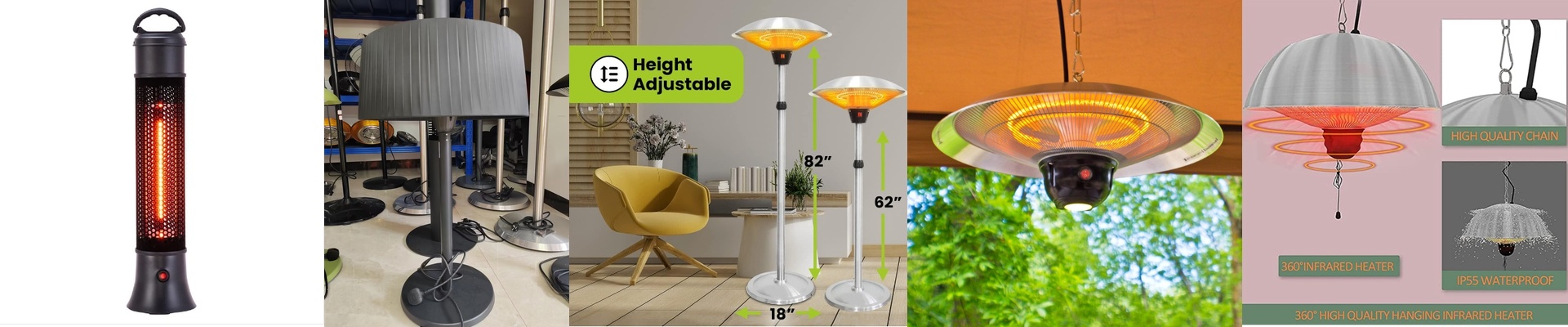
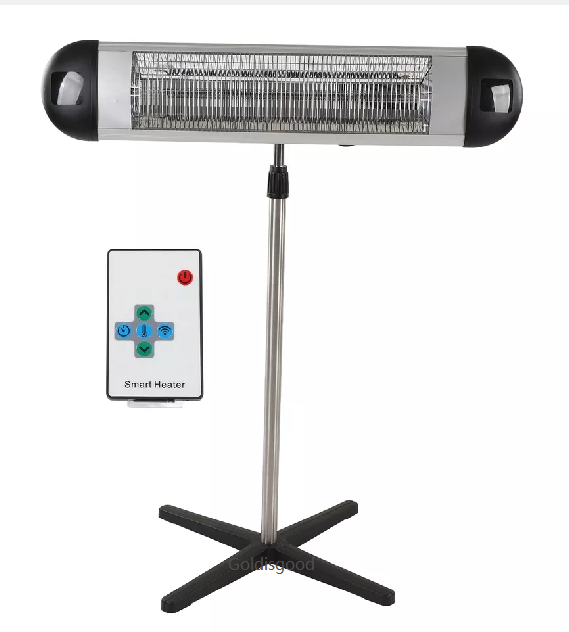
Stand out in the workshop or on a cool patio, waiting for heat to kick in. Flip the switch, and the clock starts. A slow glow tells you the heater is pulling power but hasn’t earned its keep yet. A near-instant flash of light, on the other hand, means you’ve got a radiant core that turns electricity into usable warmth with minimal waste.
What actually matters under the hood
With infrared space heaters, it comes down to the element—how clean the material is and how it’s built. A high-grade quartz tube or a carbon fiber element lights up in 1–3 seconds because it has low thermal mass and converts electricity to heat efficiently. The faster you see that glow, the more directly the unit delivers infrared warmth, instead of wasting energy heating air that blows away. Less warm-up, less standby draw, and more heat where you need it.
Why that glow is a real-world quality check
When you’re sizing up a heater on the spot, light-up speed is a practical field tell. A quick-on element points to consistent material purity and tight manufacturing tolerances. That translates to even coverage, steady performance season after season, and fewer element replacements. In a workshop, that means work keeps moving instead of waiting for the space to feel livable. On a patio, guests feel the comfort almost the moment you flip the switch, without the energy bill jumping.
The details that keep you out of trouble
Even a solid infrared heater has limits. Radiant warmth is directional, so placement matters—face it toward the seating area for the best results. For outdoor use, look for the proper IP rating and a stable base with tip-over protection. And because the element runs hot, keep the clearances to combustibles as specified, and don’t run the heater in damp areas unless it’s rated for it. Choose an infrared space heater that lights up fast, and you’re getting energy-efficient comfort that shows up when you need it.