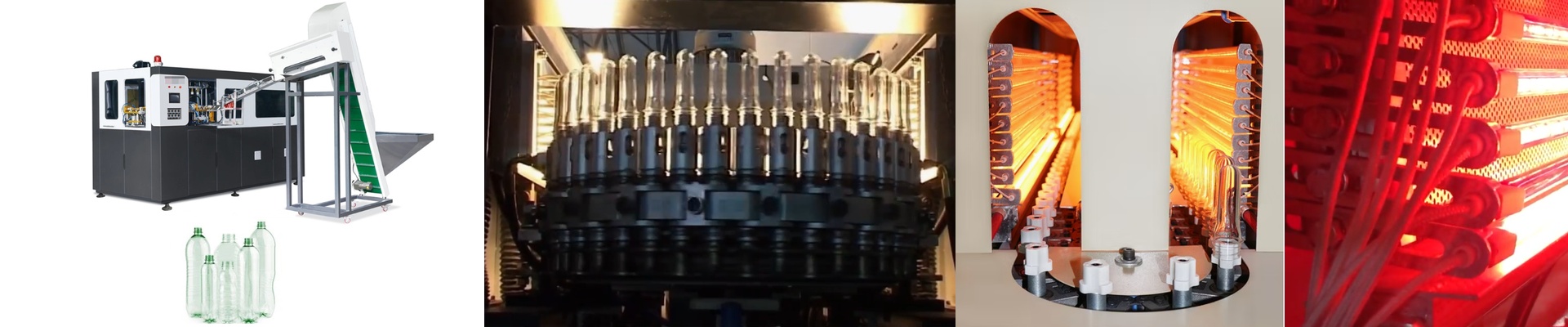
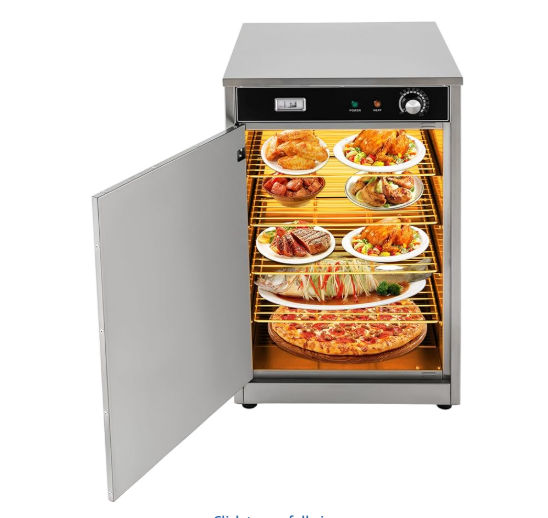
Stand on a busy line when the rush hits. Pizza fresh off the deck oven, trays of bread from the bakery oven, skewers coming off the grill—everything needs to hold at temperature without drying out. When the holding cabinet or under-counter warmer can’t keep pace, you lose texture, you lose time, and you lose sales. A short-wave radiant heater for warming display turns that bottleneck into a repeatable, steady flow.
What matters, technically
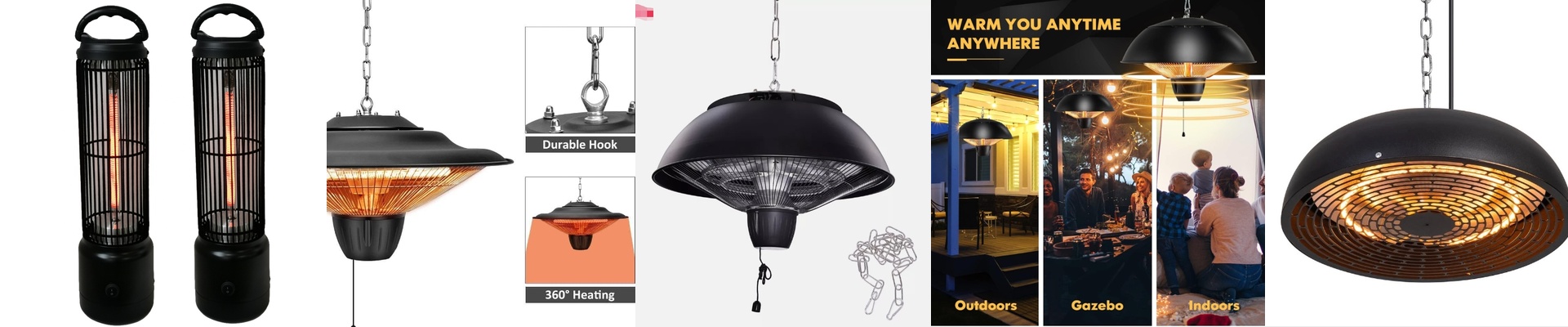
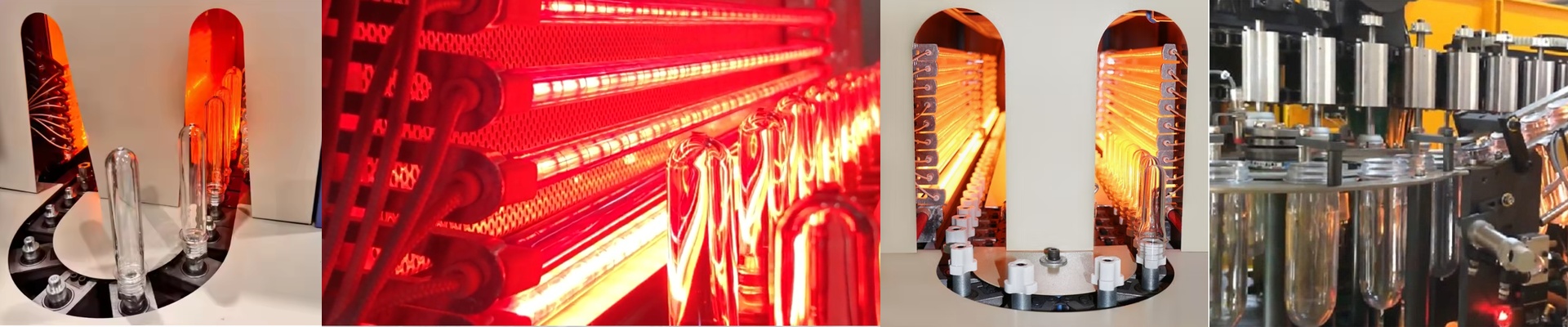
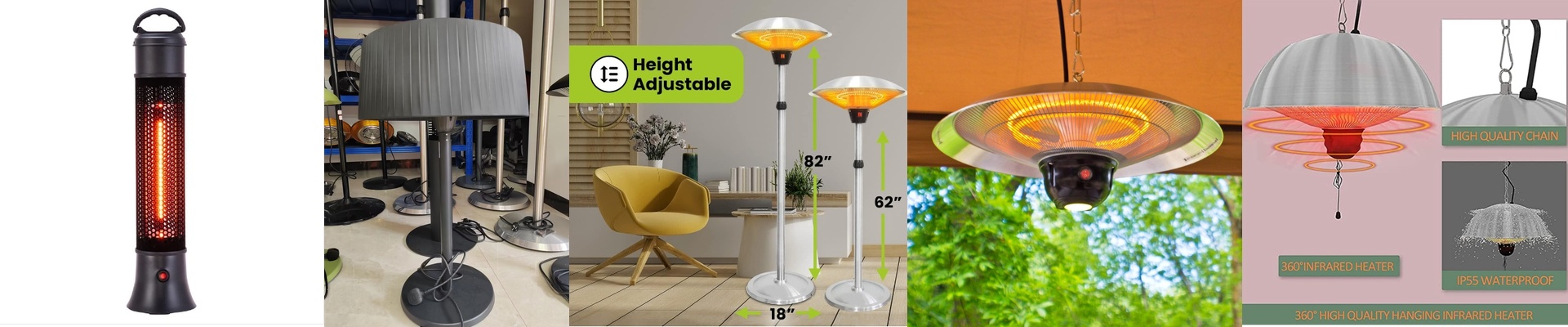
Short-wave infrared energy puts heat where you need it—right on the food surface—without wasting time heating the air around it. Quartz tubes and halogen lamps snap up to temp in seconds, not minutes. The payoff is a focused, stable heat band that holds prepared food safely while locking in moisture. In practice, you get tight control, fast recovery after the door opens, and surface warmth that keeps crust crisp and toppings hot without scorching.
Why it fits the workflow
In pizza service, that radiant heat keeps slices hot and cheese stretchy, without turning the crust leathery. In bakery display, it holds bread warmth while protecting the crumb and crust, so every loaf feels fresh to the customer. At the grill station, it holds proteins and skewers at service temperature, ready to plate without overcooking. The short-wave profile also plays well with warming cabinets and heated display cases, so you can front-load prep and serve faster, with fewer temperature swings between batches. You also save energy because you’re heating product, not a big volume of air, and lamp life keeps you running through long service windows between replacements.
The practical details
Match the unit to the job—short-wave radiant shines when it’s dialed in. You get the most even results when the element has a clear line of sight to the food, so spacing and shielding matter. Expect higher surface temps on the heater itself; proper mounting and guards are non-negotiable for safety and cleanability. These units work with standard voltage setups, but give them a dedicated circuit to avoid voltage dips when the rush hits. Plan on routine cleaning of reflectors and guards to keep output steady and prevent hot spots.