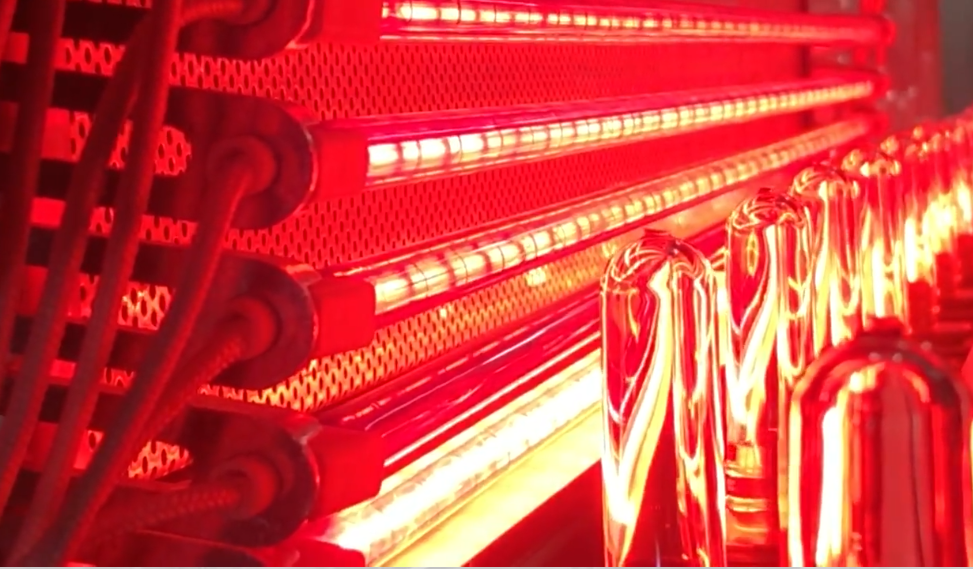
Getting Your Sidel Matrix Oven Back in Sync
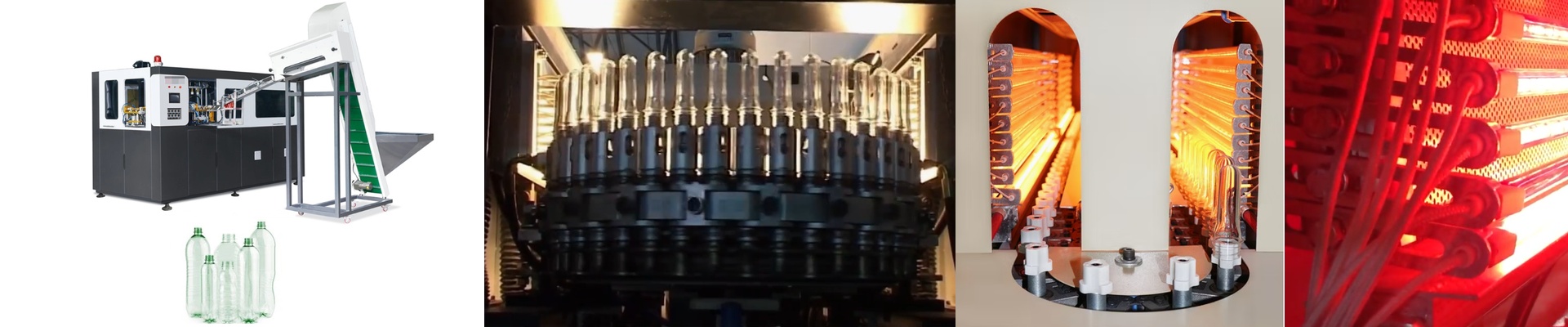
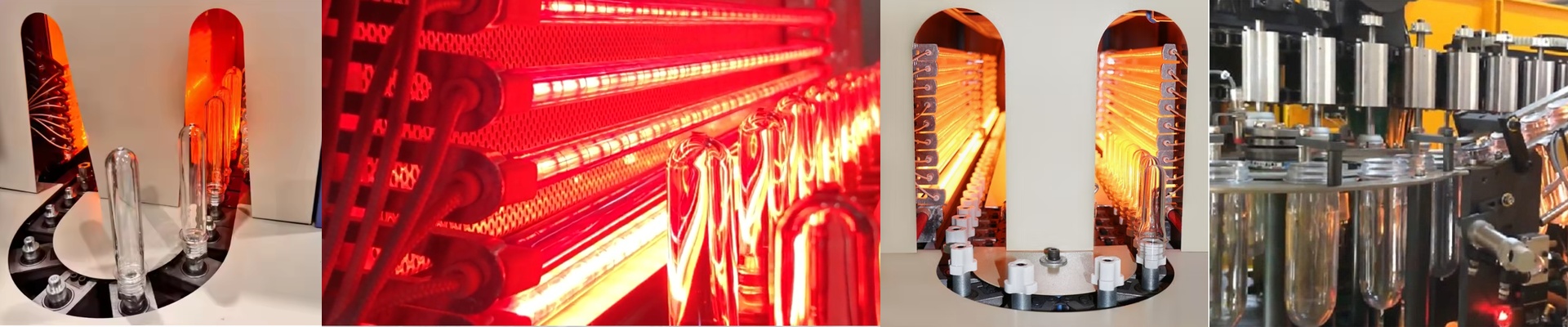
Here’s the deal with swapping out infrared lamps in a Sidel Matrix oven: the biggest headache isn’t the installation—it’s the temperature curve. If the wattage or the spectral output is even a tiny bit off from the original spec, your preforms won’t heat evenly. That’s how you end up with weird wall thickness or those annoying pearlescent streaks in your PET bottles. It’s frustrating. We build our lamps to mirror the OEM specs exactly so you don’t have to deal with that. It’s all about the match We do more than just make sure the tube fits the length. We obsess over the voltage and wattage because we want the heat flux to feel exactly like the original Sidel parts. See, if a lamp’s resistance is slightly off, it pulls a different current. That shifts the infrared spectrum. We calibrate the tungsten filament density so the shortwave radiation hits the preform with the same punch as the factory lamp. The best part? You don’t have to waste half your shift recalibrating oven zones after you swap them out. You just get back to work. The glass matters We use high-purity quartz because blow molding is brutal on equipment. The rapid cycling is tough, and the glass needs to handle it. We also use specific coatings to push the heat inward toward the preform. We don’t want that energy bleeding into the oven chassis. It keeps the heat dense and focused. Plus, they’re true drop-in replacements. They slide into the existing sockets without you having to force the glass. A quick word of caution High-wattage lamps are great for fast cycle times, but they can be hard on your electrical contacts. If your sockets are worn out or oxidized, these lamps might burn out early at the end caps. It’s a simple fix, though. Just make sure your wiring is tight and your contacts are clean before you pop them in. At the end of the day, we provide the direct replacement, but how long they last really comes down to your machine’s voltage stability and how well your cooling airflow is humming along.