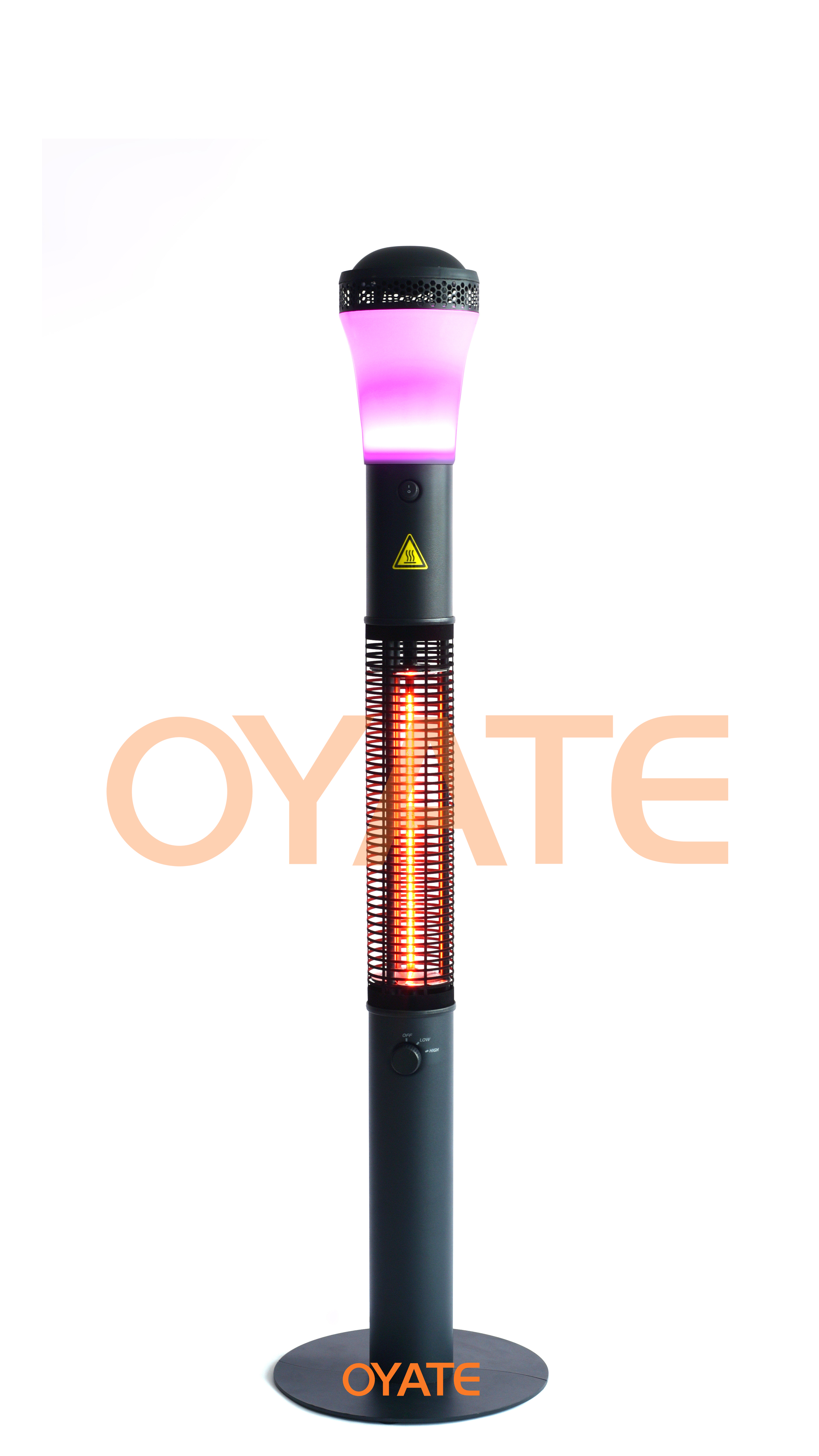
Why We Put Our Heaters Through a “Rain Room” Before They Reach You
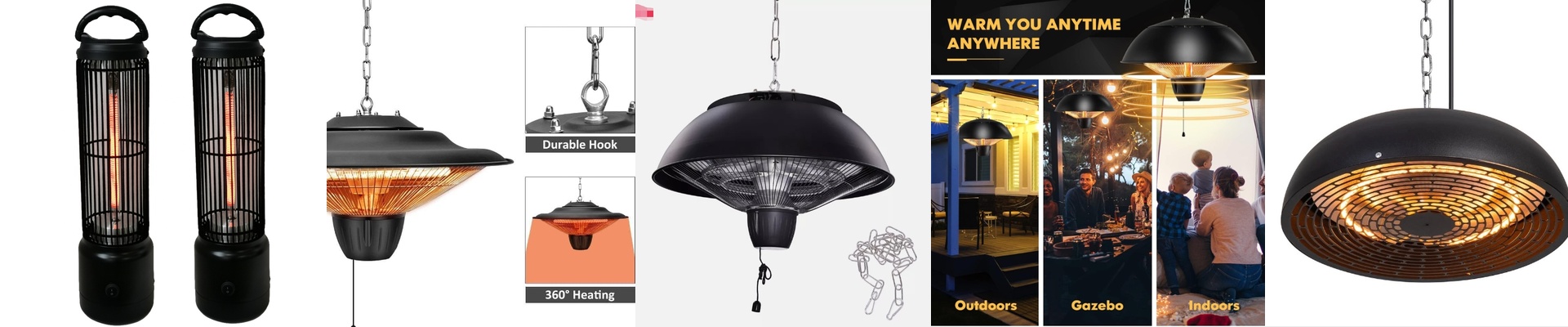
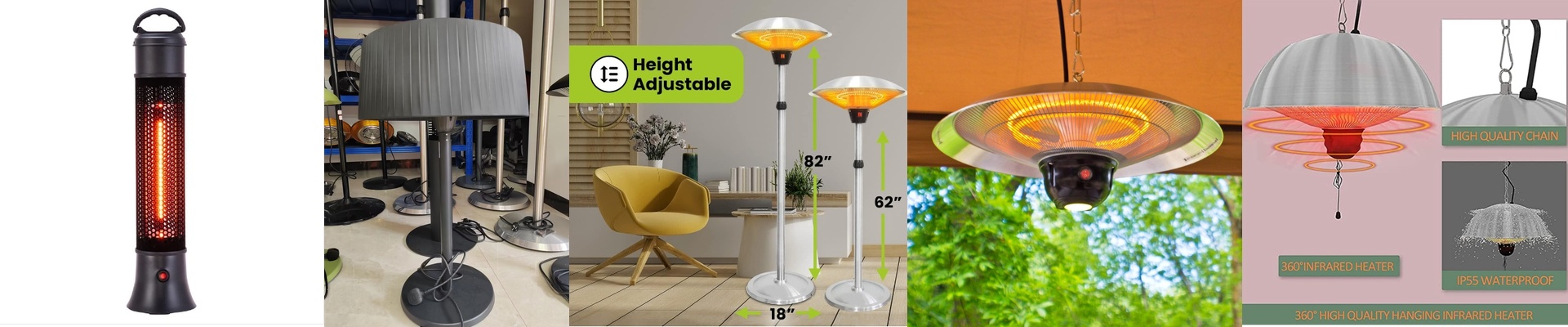
If you’re putting infrared lamps in a pergola or a bathroom, you’re basically throwing them into a boxing match with moisture. It’s a fight the hardware usually loses. That’s why we don’t just build these things and slap them in a box. Every single batch goes through a brutal “damp-heat” aging test. We want the seals to fail in our lab, not while you’re trying to enjoy a drink on your patio.
The problem with water and electricity
Here’s the thing: water vapor and high-voltage heating elements are a terrible mix. When you’ve got a heater under a pergola, condensation loves to settle right on the quartz tube and the electrical terminals. If the housing isn’t tight, moisture creeps in. Then you get “tracking”—which is just a fancy way of saying the electricity jumps where it shouldn’t. **The result?**Your lamp burns out or your breaker trips. Not exactly the vibe you want for a cozy evening. We use cyclic humidity chambers to force these failures to happen early so we can fix them.
Getting the materials right
We don’t cut corners on the guts of the machine. We use specialized gaskets and alloys that won’t rust away the moment they see a cloud. The quartz glass is the real hero here. Imagine a lamp hitting 600°C, and then a sudden cold rain hits it. Cheap glass will just shatter from the thermal shock. We spend a lot of time testing the seals to make sure they expand and contract at the same rate as the heat. It’s a delicate balance, but it’s what keeps the glass intact.
The trade-off
Now, there is a catch. To make these things truly waterproof, we have to use heavy-duty gaskets and thicker shielding. This makes the unit a bit bulkier and slows down the airflow around the reflector a tiny bit. It’s a trade-off. You get a heater that won’t short out during a storm, but you’ll want to make sure your mounting frame can handle the extra weight. We track the insulation resistance for 500 hours of wet-heat exposure. If it dips even a little bit below our line, we go back to the drawing board and redesign the seal. It’s a lot of work, but it’s the only way to make sure your heater actually survives three winters outdoors.