How to Pick the Right Wattage for Your Bathroom Heater
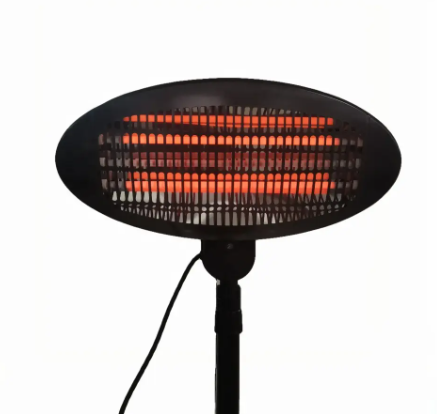
Picking the right infrared heater isn’t about following a strict formula—it’s about not freezing your toes off while you’re trying to wake up in the morning. Infrared is different from a standard space heater. Instead of warming up the air and hoping it reaches you, it beams heat directly onto your skin. It’s instant. But if you get the wattage wrong, you’re in trouble. Too low, and you’ll be shivering in a lukewarm room. Too high, and you’re basically standing under a heat lamp at a buffet, wasting electricity and risking a melted fixture. Finding your sweet spot If you’ve got a tiny bathroom—the kind where you can practically touch both walls at once (under 4m²)—a simple 250W to 400W lamp does the trick. It’ll saturate that small space almost immediately. For medium-sized bathrooms (4m² to 8m²), you’ll want to bump that up to 600W or 800W. But here’s the thing with big bathrooms or those fancy high ceilings: don’t just buy one massive, overheating monster of a lamp. That just creates one “hot zone” while the rest of the room stays chilly. Instead, spread the love. Use three or four 400W lamps across the ceiling. It feels much more natural and keeps the warmth even across the whole floor. The “Steam” Factor Bathrooms are wet. Really wet. To keep you safe, these lamps are sealed behind tempered glass or coated in quartz. Now, that glass is great for safety, but it does block a tiny bit of the heat from getting through. It’s a small trade-off, but it’s something to keep in mind when you’re picking your wattage. You might want to lean slightly higher to make up for that barrier. A quick warning on wiring Don’t just plug these into any old outlet and hope for the best. These lamps pull a lot of power the second you flip the switch. If you’re putting a heavy-duty 1200W setup into an old house with ancient wiring, please—check your cables. If the wires are too thin, they’ll heat up, the voltage will drop, and your expensive heater will end up feeling weak. It’s frustrating to pay for high wattage and not actually feel it because your wiring is bottlenecking the power.