Getting Your Sidel Matrix Lamps Right
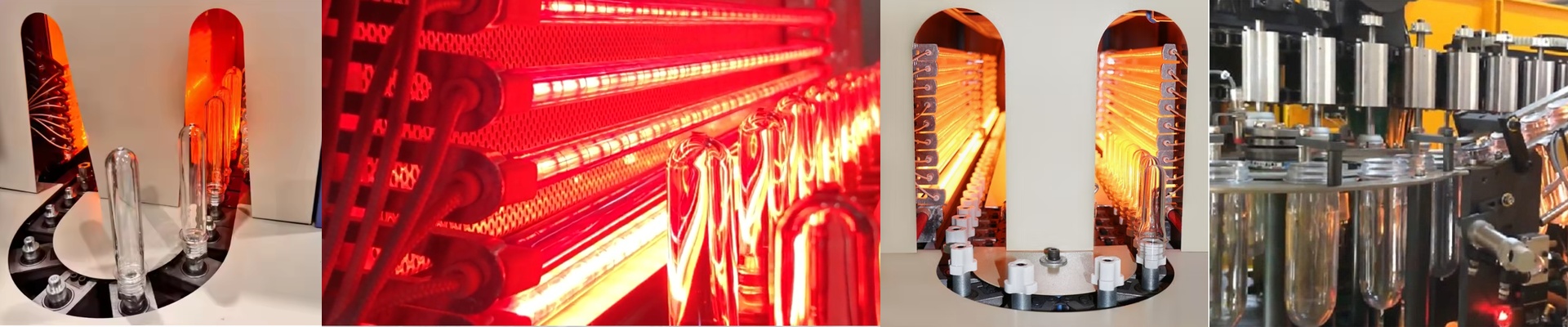
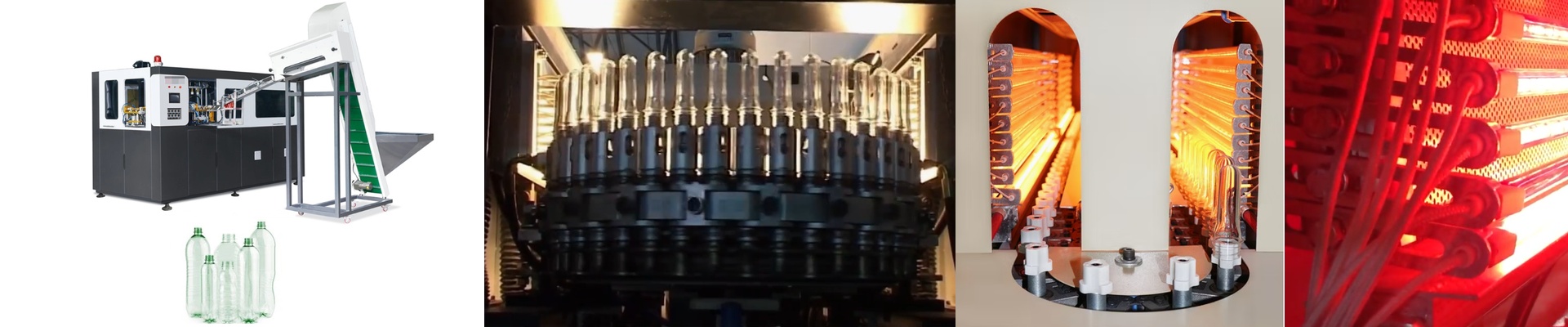
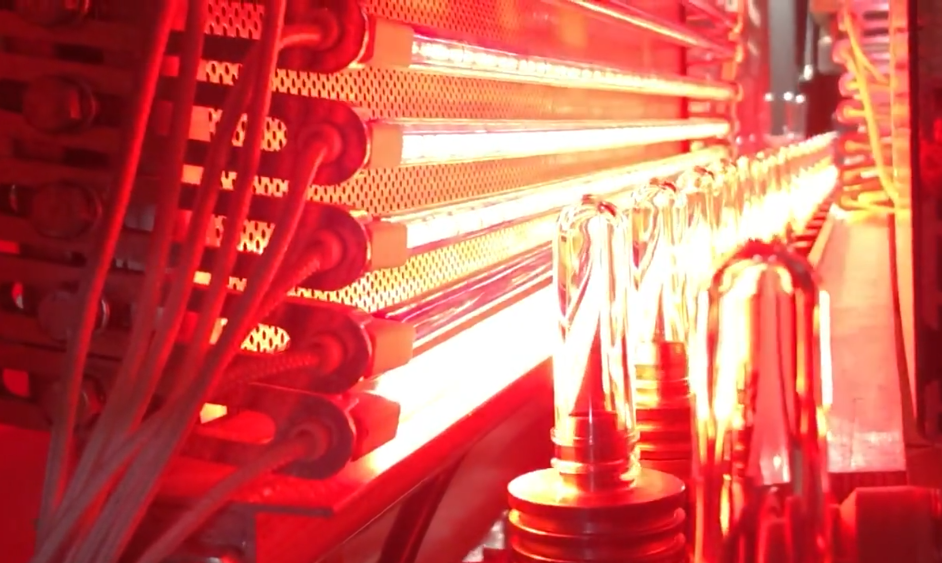
Here is the problem when you swap out the OEM IR lamps in a Sidel Matrix blower: if the temperature curve shifts, you’re in trouble. It sounds technical, but it’s actually pretty simple. If the new lamp doesn’t put out the same heat and light as the original, your preheating gets wonky. That’s how you end up with those annoying thin spots or that cloudy, pearlescent look in your PET bottles. Not a great look for the final product. The trick is in the details. Most people just check the length and the voltage. But that’s a mistake. We look at the wattage density across the entire tube. See, a cheap lamp might claim it has the same total wattage, but if the filament winding is sloppy, you get hot spots. It’s inconsistent. We make sure our filaments are wound perfectly so the heat is uniform. The result? The heat sinks into the preform exactly the way the original Sidel profile intended. You just plug them in and go. No messing around with your machine settings for hours. Better glass, less stress. We use high-purity quartz because, frankly, the cheap stuff burns out too fast. Lower-grade glass just can’t handle high-intensity shortwave radiation for long. We also tuned our lamps to the specific wavelength that PET actually absorbs. Plus, we use the exact connector footprints—whether you’ve got the standard R7s or a specialized Sidel fit. They just drop right in. No wiring hacks required. A quick heads-up on the hardware. High-density IR lamps pull a lot of power. If you’re pushing your throughput to the limit, you’ve got to keep your cooling fans clean. If the airflow is blocked, those lamp sockets can get way too hot and start to warp. It’s a simple fix, but it saves you a lot of headache. We built these to be a true drop-in replacement. You wire them up, run your usual cycle, and your preforms hit the target temp every time. No guessing. No piles of wasted scrap. Just bottles that look the way they should.